

Reviewed · OLD TOWN (GAMLA STAN)
Gothenburg: Haga Old Town Walking Tour
Haga Old Town is the kind of place where the city’s past still feels close, even when you’re standing on a modern pedestrian street. You get a guided look at Haga Nygata and the classic wooden houses called landshövdingehus, plus stories that explain how this neighborhood went from rough-and-tumble 19th century to one of Gothenburg’s favorite areas.
I especially love how this tour mixes street-level details with real social context. One minute you’re admiring the brick-and-wood house style, the next you’re hearing how everyday Swedish life works, from education to family leave, straight from the people who live with the system.
One drawback to think about: part of the walk can include a climb up toward Skansen Kronan. If hills are hard for you, ask ahead or be ready for an uphill stretch.
Key things to know before you go
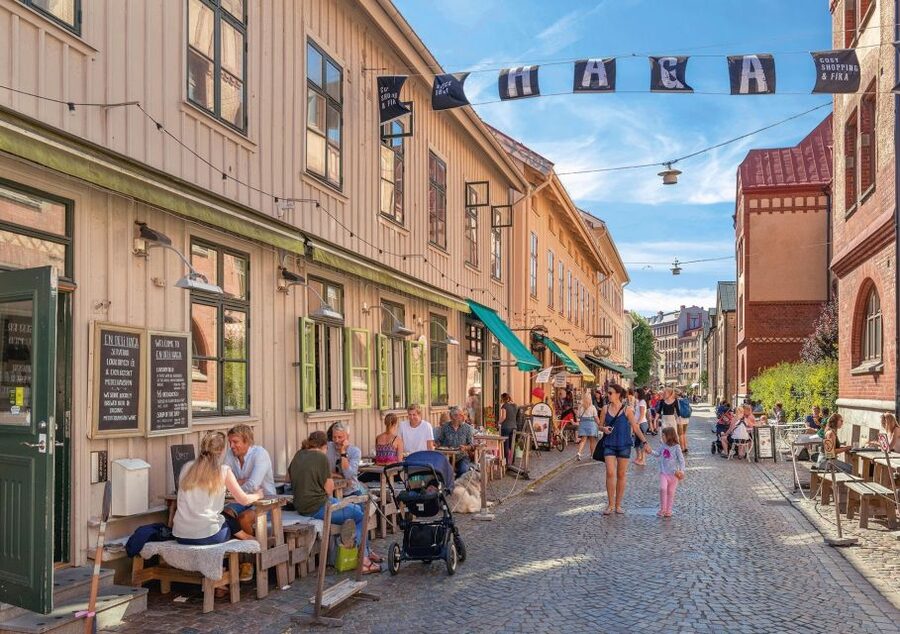
- Haga Church is your start point, right outside the main entrance
- Landshövdingehus architecture: one floor in brick, the rest in wood, along Haga Nygata
- A local guide tells the human stories, including what life in Gothenburg is like today
- Skansen Kronan may be part of the route, so bring shoes for uneven ground and hills
- Expect lots of cafe and shop recommendations, not just buildings and dates
- English live guide, with a high overall rating (4.5 from 205 reviews)
Why Haga feels like Gothenburg’s time capsule

Haga is old by Swedish standards, dating back to the mid-1600s, and that age shows up in the street plan and in the buildings. The tour focuses on the pocket of streets around Haga Nygata, where the houses still look like something from a painted postcard, but with enough texture and wear to feel real.
I like that you’re not only looking at facades. You’re learning how the neighborhood changed. You hear how Haga carried a seedy reputation in the 19th century, then later evolved into a design-friendly, cafe-filled hangout. That shift makes the architecture make sense, instead of feeling like a museum set.
If you’re the type of traveler who wants more than a quick photo stop, this is a good match. The tour gives you context, then lets you wander with confidence after.
More Walking Tours in Gothenburg
- Gothenburg: Guided Walking and Swedish Fika Tour
★ 4.8 · 58 reviews - Gothenburg: Historical Walking Tour in Central City
★ 4.9 · 39 reviews - Gothenburg Private Walking Tour with a Local
★ 4.0 · 36 reviews
Meeting at Haga Church, then getting oriented fast
You meet your guide outside the main entrance to The Haga Church. That matters because Haga’s streets can feel charming but slightly maze-like once you start exploring on your own. Starting at the church gives you a clear anchor, and it helps the guide steer the group efficiently.
In practice, I’d treat this as a “get your bearings fast” walk. Even if you don’t remember every date, you’ll remember the street shapes, the viewpoints, and which corners are worth lingering on. Many reviews mention that guides go beyond the basics and help with planning the rest of your day, which is exactly what you want from an intro tour.
There can be some variability in how long you’ll be out. The activity is listed as 1.5 hours, but the description frames it as a 2-hour walking tour, and at least one booking matched the full 2 hours. Either way, it’s short enough to fit into a busy itinerary, but long enough to feel like you actually learned something.
Haga Nygata and the landshövdingehus wooden-house style

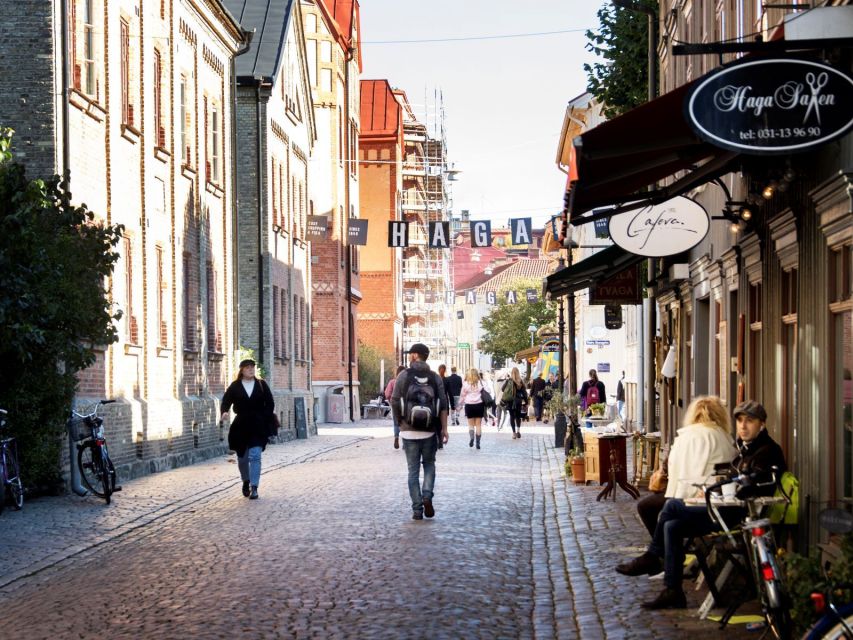
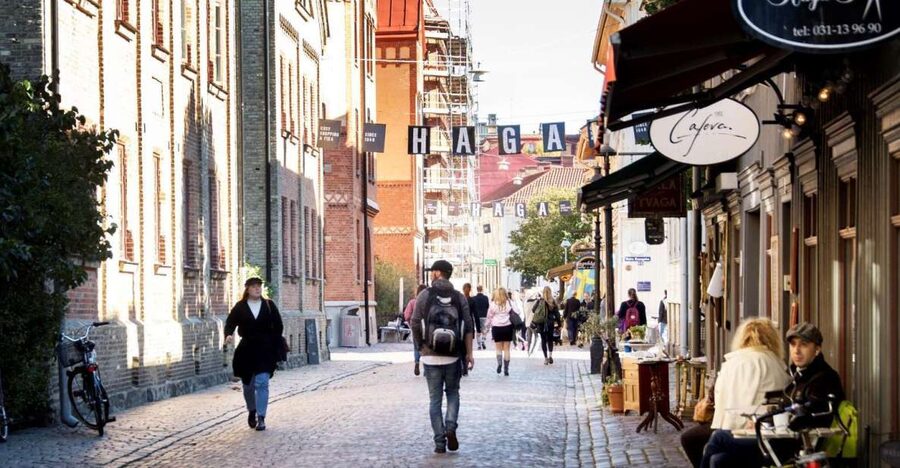
The star visual here is the classic Gothenburg house form often called landshövdingehus. These homes typically have one floor built in brick and the upper floors in wood, which creates a very distinctive layered look. On Haga Nygata, these buildings line the pedestrian street like a timeline in timber and brick.
When you walk with a guide, you notice details you’d otherwise miss:
- where the style came from and why Gothenburg looks different than some other Scandinavian cities
- what makes these houses historically significant beyond just “pretty”
- how the neighborhood’s physical layout connects to how people lived there
What I like is that the guide doesn’t treat architecture like a trivia quiz. They explain why certain buildings mattered and what they can tell you about daily life at the time. That’s the difference between seeing pretty buildings and understanding why the area earned its reputation.
If you enjoy strolling, this is the part where the vibe clicks. Even on a short walk, you’ll feel like you’re moving through a carefully preserved streetscape, not a checklist.
The Skansen Kronan climb: views, effort, and a key decision
One consideration is the presence of a hill climb linked to Skansen Kronan, Gothenburg’s old fort on the hillside. A reviewer specifically noted that the walk includes Skansen Kronan, and another pointed out that the climb can be steep enough that someone had trouble making it up.
Here’s how I’d plan for it:
- Wear shoes with grip. Cobblestones and worn paths can be slick or uneven.
- If you have mobility limits, ask the operator whether the route can be adjusted before you go.
The tour is marked as wheelchair accessible, but accessibility and steep terrain do not always match neatly. Your safest move is to confirm what “accessible” means for the hill section, especially if you use a chair or need minimal grade.
The payoff, when you can make it up, is the reason forts get built on hills: the city view. The walk gives you that “oh, this is why it’s on top” perspective, which helps you understand Gothenburg’s geography and history at the same time.
Other walks through Gamla Stan:
- Gothenburg: Old Town Sightseeing Tour
★ 4.5 · 88 reviews - Gothenburg Old Town Sightseeing Tour
★ 4.5 · 15 reviews - Stockholm Gamla Stan: Old Town Walking Tour with Local Guide
★ 4.7 · 1,714 reviews - Walking Tour of Stockholm Old Town
★ 5.0 · 1,175 reviews
From 1800s trouble spot to modern favorite

A big theme of this tour is transformation. Haga once had the kind of reputation that people warned each other about in the 19th century, yet today it’s associated with cafes, delicatessens, and independent shops. The guide connects that shift to bigger patterns in how cities rework older districts.
What I find useful is the tone: this isn’t just a happy redevelopment story. It’s more like a guided explanation of how a neighborhood can become desirable without erasing what came before. That historical framing makes your post-tour wandering more meaningful. Instead of just thinking, Wow, this looks cute, you start thinking, How did it get here?
You also get insider folklore and “how people tell it” versions of local history. That’s the fun part you can’t get from a signboard alone.
Your guide makes the difference: stories, Swedish life, and real recommendations
Many reviews praise the guides by name, and that’s a strong signal here. Kalina is repeatedly mentioned for friendliness, deep knowledge of Haga, and a clear storytelling style. Sarah also stands out for combining Haga-specific history with broader Gothenburg context, plus giving practical after-tour recommendations.
A standout detail from multiple reviews is how often guides connect the past to modern life in Sweden. One review includes an extra discussion on Swedish education and benefits like maternity and paternity leave, including free education through university level. Another highlights that guides ask questions and tailor the experience, especially when there’s a small group or even a near-private tour.
Even if you’re not chasing big policy talk, that kind of conversation changes the tour. It turns a walking history lesson into something closer to a local chat, where you learn how people actually live, not only what happened long ago.
Most guides also provide concrete suggestions for what to do next, including where to eat and what to see later in the day. If you’re short on time in Gothenburg, those leads can be as valuable as the buildings you visited.
Pace and group size: what you should expect in 1.5 to 2 hours
This is not a marathon. At $55 per person and a duration that’s listed as 1.5 hours while the walk is described as 2 hours, you should expect a brisk but not rushed pace.
From the reviews, group size can be small. Several people describe it as almost private when only one or a couple of people booked. That usually means:
- you can ask more questions
- you get more tailored recommendations
- the guide can slow down when you stop for photos or view points
If you prefer a more social format, a small group might feel less energetic. But if you like clarity and conversation, it’s a plus.
One other practical note: weather flexibility came up in reviews. At least one guide adjusted departure timing on a wet day, which suggests they think about comfort, not just marching on schedule.
Price and value: what you’re paying for at $55
$55 may sound like a lot for a short walk, until you break down what’s actually included: a 2-hour walking tour with a professional local guide.
You’re paying for:
- curated storytelling that explains buildings and how the neighborhood evolved
- English-language interpretation
- recommendations that can save you time after the tour
In other words, you’re not paying for motion, you’re paying for guidance. And when reviews mention guides going beyond the route, spending extra time, or using photos to support stories, that suggests the tour is often more than a “point and read.”
Also, when the tour is small or effectively private, the per-person value improves fast. A walking tour at this price becomes much easier to justify when you’re not competing for attention in a large group.
If your goal is just to wander Haga on your own, you can do that. But if you want the why behind what you see, this price starts to make sense.
Practical tips so you enjoy every minute
Before you go, I’d plan for the two things that can make or break the experience: comfort and shoes.
Bring:
- Walking shoes with grip, especially if you’ll include the fort hill
- Layers, since Gothenburg weather can change quickly
- A little patience for meeting at the church entrance, since one review mentioned a mismatch in the meeting point instructions and a late start
When you arrive, show up a few minutes early. Even when meeting logistics are smooth, it reduces stress.
During the tour, ask questions early. Guides seem most willing to go deeper when you show interest, and several reviews mention that guests left with strong recommendations for coffee, cake, and things to do later.
If you’re planning your afternoon, treat the tour as your setup session. Afterward, use your guide’s suggestions right away while the ideas are fresh.
Should you book the Haga Old Town Walking Tour?
Book it if you want an efficient, story-led introduction to Gothenburg’s old streets, with time to ask questions and a guide who connects Haga’s buildings to Swedish life today. The best part is that you’ll leave with both visual memories and practical next-step ideas, not just a list of sights.
Consider skipping or asking for route details if the Skansen Kronan hill is a deal-breaker for you. The fort climb is small on paper, but it can be significant in real life if you have mobility limits.
If you’re aiming for value, go for it. At $55, the combination of guided history, strong guide reviews, and thoughtful recommendations makes this one of the better ways to understand Haga without losing half your day getting oriented.
FAQ
How long is the Gothenburg Haga Old Town walking tour?
The tour is listed as 1.5 hours, and the description frames it as a 2-hour walking tour. In at least one case, the tour ran for the full 2 hours.
What does the tour cost?
The price is $55 per person.
Where is the meeting point?
You meet your guide right outside the main entrance to The Haga Church.
Is the tour offered in English?
Yes. The live tour guide speaks English.
What is included in the price?
The tour includes the walking tour and a professional local guide.
Is gratuity included?
No. Gratuity is not included.
Is the tour refundable if I cancel?
Yes. There is free cancellation up to 24 hours in advance for a full refund.
Can I reserve now and pay later?
Yes. The booking is offered with reserve now & pay later.
Is the tour wheelchair accessible?
The activity is marked wheelchair accessible, but since the route can include a hill section linked to Skansen Kronan, it’s worth asking if you have specific mobility needs.
Guided Walks in Gothenburg
- Make Your Own Tour – Guided Walking Tour
★ 4.5 · 32 reviews - Best of Gothenburg: Private Walking Tour with a Local
★ 4.6 · 24 reviews - Gothenburg : Private Walking Tour with A Guide (Private tour)
★ 4.0 · 19 reviews - Historical Walking Tour in Restaurant and Bars in Central City
★ 5.0 · 9 reviews
Just listed in Gothenburg
- Gothenburg: Private Walking Tour with A Guide (Private tour)★ 5.0 · 3 reviews
- Gothenburg: Paradox Museum Entry Ticket★ 4.2 · 10 reviews
- Private Boat Ride in Gothenburg with pickup★ 4.0 · 9 reviews
- Gothenburg : Private Walking Tour with A Guide (Private tour)★ 4.0 · 19 reviews
- Gothenburg Cathedral and City Highlights – Private Walking Tour★ 3.5 · 3 reviews
- Explore the Instaworthy Spots of Gothenburg with a Local★ 5.0 · 3 reviews
- Gothenburg Universeum Ticket – Aquarium, Science, Wildlife, Zoo★ 4.0 · 16 reviews
- Guided Brewery Tour on Bicycle★ 5.0 · 5 reviews
Old Town (Gamla Stan), compared.
Stockholm Gamla Stan: Old Town Walking Tour with Local Guide
Read our review →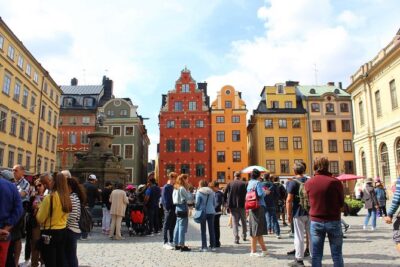
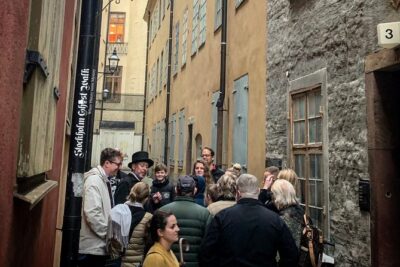
The Original Stockholm Ghost Walk and Historical Tour – Gamla Stan
Read our review →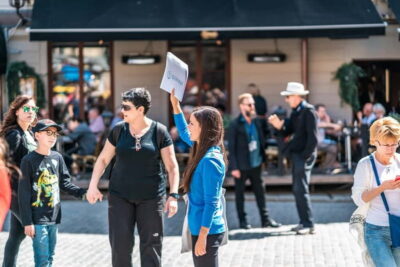
Guided Historic Old Town Walking Tour with Local
Read our review →
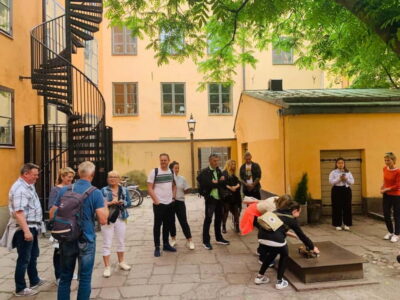
Walking Tour of Stockholm’s Old Town, Gamla Stan
Read our review →
Browse the lists this tour appears in