
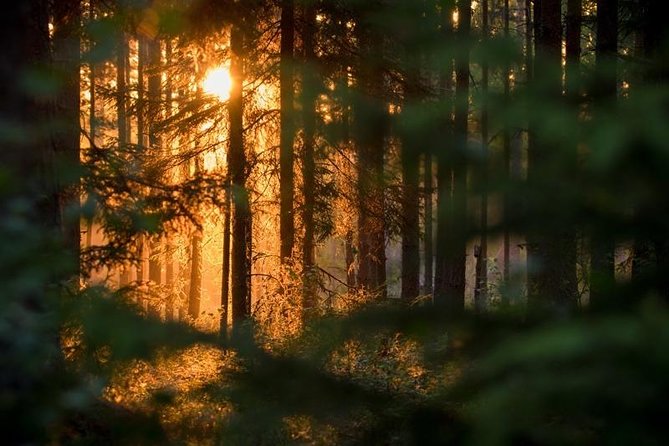
Reviewed · SWEDEN
The Wolf Howl Experience
This experience is interesting because you are not chasing wolves for a photo. You are spending real time near a wolf family’s home range, then learning how to read the forest like a wildlife field guide. The guides, including Marcus and Christiana, focus on respect first, and the result feels both thrilling and calming.
I love the small-group size and the way it stays personal, capped at 7 travelers. I also love that you do not have to haul your own camping setup, since provided equipment keeps the trip simpler than most “roughing it” tours.
One possible drawback to plan for: there are no guarantees of hearing howls or seeing wolves up close. Wolves are wild, and the experience is built around careful listening and tracking, not certainty.
Key things I’d circle on your planning list
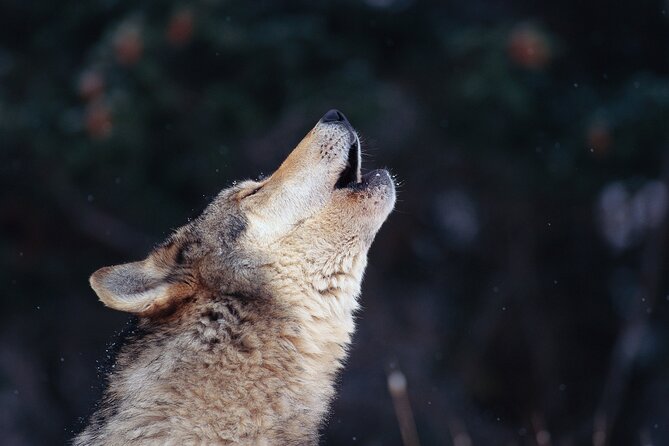
- Wolf Project support: the trip runs with backing from the Scandinavian Wolf Project, which sets a conservation-minded tone from the start.
- Two nights, not one: you get time to settle in, track, and then listen again at night, which improves your odds of a memorable moment.
- Quiet, respectful tracking: you use signs like paw prints and droppings, plus guidance on behavior and territory.
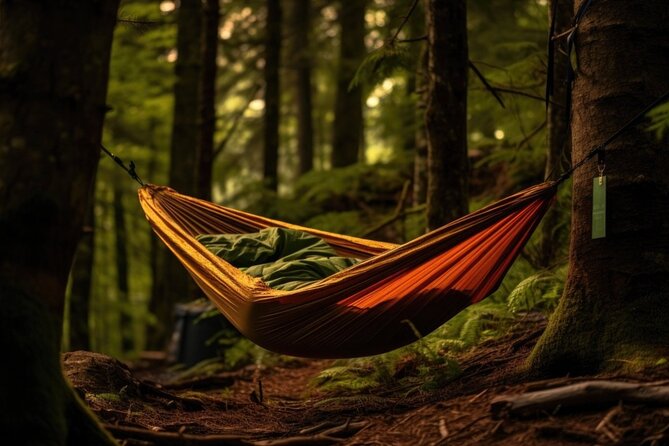
- Camping without logistics stress: hammocks are part of the setup, and you re-pack gear at storage so you are not juggling a complicated carry.
- Outdoor cooking that’s not cafeteria food: meals are cooked outdoors, and vegetarian options have been handled.
Before You Go: What You Get for $963.13
At $963.13 per person, this is not a budget day trip. You are paying for a very specific kind of access, in the form of time, quiet guidance, and the work behind the scenes that makes “wolf country” feel safe and respectful.
Here’s what that price covers in a practical way:
- A small group (max 7). That matters when you are walking in the dark and listening for subtle sounds.
- A guide-led program in English with a structured focus on wolves and conservation.
- Provided camping equipment, meaning you are spared from the usual “bring your own sleeping bag and hope” situation.
- The chance to have meals prepared for the outdoors, with the tone of authentic food cooked over a camp setup rather than tourist takeout.
Now, the other side of the value equation: the trip is built on nature’s rules. If the forest is quiet, you still get guided tracking, education, and a night-in-the-wild atmosphere. If the wolves are extra vocal, the whole group feels it.
Other Central Sweden outings that go well with this one:
- Sauna Ritual of the Lady of the Mine Experience
★ 5.0 · 48 reviews - Husky cuddle at Fjälläventyr Dog Park – admission ticket
★ 4.5 · 33 reviews - Family Packraft tour in Sälen
★ 5.0 · 3 reviews
Day 1 in Köping: Train Station Meet-Up and First Night Under Stars
You start at 12:00 pm at Köping train station. From there, you drive to storage where you re-pack everything in your backpacks before heading into the forest. This small step is more important than it sounds. It reduces the chaos of arriving with the wrong setup and helps you move as a group once you leave “civilization.”
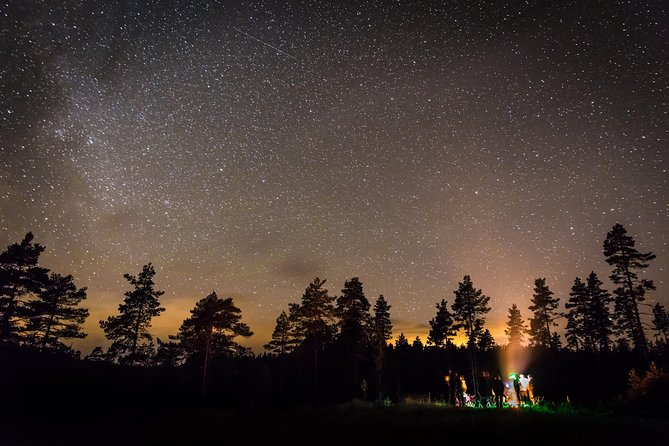
After that, you leave the nearby area and head into a forest tied to a resident wolf family’s range. You go on a hike to set up camp, and you end up sleeping in hammocks. Evening is where the emotional payoff begins: there’s a crackling campfire and an outdoor feast, with the night sky overhead and the awareness that wolves are moving nearby.
Even if you never hear a howl on night one, day one still delivers because you arrive at night already oriented. You’re not just dropping into darkness. You’ve hiked, set camp, and learned the rhythm of the forest.
Practical note: your physical fitness should be at least moderate. You are hiking to camp and later doing night walking too, so go into it ready to move, not ready to “park and watch.”
Day 2: Tracking Wolf Signs, Then Listening in the Dark
Day two starts with a forest breakfast, with coffee and tea steaming while you’re surrounded by trees. The schedule includes a possible morning excursion if there’s a chance to spot wolves. That matters because wildlife viewing is not a switch you flip, it’s a timing game, and you’re given a shot at earlier movement when conditions can align.
Then the day shifts fully into tracking. You focus on clues such as:
- paw prints
- droppings
- and other signs that wolves are using the space
This is the part I like most for “real wildlife learning,” because it trains your attention. You stop thinking wolves only exist as a moment on a screen and start seeing how living animals use trails, scent signals, and territory boundaries.
The program also tackles wolf questions that are both scientific and surprisingly practical, like:
- what defines a wolf territory
- why wolves howl
- who leads the pack
- and a moose-related question about predation
As night falls, you switch to a silent, headlamp-lit walk through rugged terrain. Yes, headlamps are used, but the key is the quiet approach. The destination is a strategic listening spot where you settle in and focus only on what you can hear.
If wolves are active that night, the group usually goes from “watching” to “feeling.” You are listening for sound patterns, distance changes, and the way howls can roll across forest space.
Day 3: Morning Watch, Then Back to a Real Shower and Bed
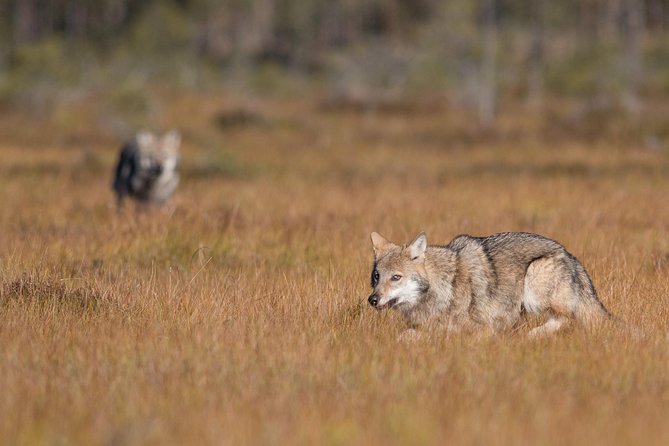
After another morning in the forest, you get breakfast again, this time as you wind down the trip. You have another chance to track and watch, which is smart. Two separate mornings can catch different light, different animal movement, and different guide observations.
Then it’s time to pack up, say goodbye to your temporary woodland home, and return back to the meeting point. The tour ends at Köping, so you are not stuck figuring out transport from a remote camp site.
One helpful planning tip: the schedule suggests that if you want comfort after two nights outside, you can stay the following night in Stockholm for a proper shower and a comfortable bed. That’s a nice way to “bridge” from wilderness to city life without scrambling.
Food and Camping Setup: Outdoor Meals, Provided Gear, Hammock Reality
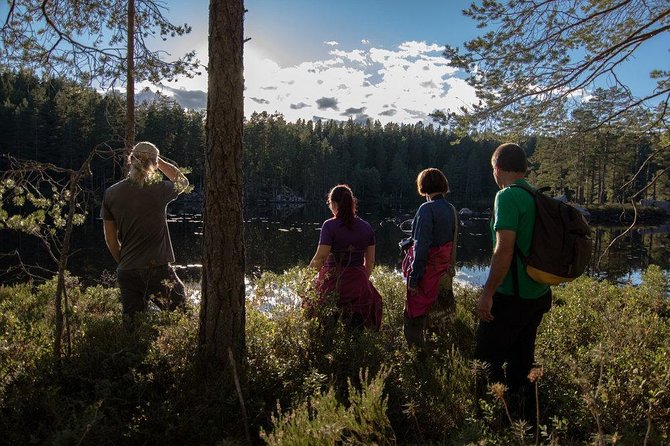
This trip leans into the idea that outdoors food can be more than a snack. The standout promise is that you skip tourist-style food and eat authentic dishes cooked outdoors.
From what’s been shared by past groups, meals are handled thoughtfully, including options like vegetarian when requested. If you have dietary needs, you should tell the team at booking. That’s not just courtesy, it’s how you avoid ending up with a sad plate at the camp table.
On the sleep side, the core approach is hammocks. The trip also uses provided camping equipment, and the instruction is clear: avoid bringing your own gear. That helps you travel lighter and reduces the chance you arrive missing the one item that makes overnight comfort possible.
One more reality check: hammock sleep is not the same as a hotel bed. It is part of why this experience feels closer to the wilderness than a standard “nature walk.” If you are the type who needs maximum cushioning to sleep, plan for a more basic comfort level.
Fitness and movement matter too. You are not doing extreme endurance, but you are hiking and doing a night walk across rugged terrain. If your idea of camping is “carrying your phone charger,” this might feel like a mismatch.
Respect for Wolves: Why This Tour Feels Different
A lot of wildlife tourism sells the thrill first and the ethics second. This program aims the other way around. It’s explicitly built to respect wolves and nature, and that attitude shows up in how you are taught to watch and track.
You are not trying to chase wolves, call them in, or “force” encounters. You learn wolf behavior in a way that matches how wolves actually live. That’s why tracking signs is central, and why the howling listening sessions are done quietly.
The support from the Scandinavian Wolf Project adds credibility to the conservation angle. You get the feeling this isn’t just about hearing sound, it’s about understanding why wolves howl and how territory works, which is key if you want to leave with more than a cool story.
And the emotional upside is real. Several past experiences highlight that hearing wolf sounds, especially howls, can be meditative and mystical. Even when sound does not arrive, the education and the careful approach often still land as memorable.
Weather, Wildlife Odds, and How to Temper Expectations
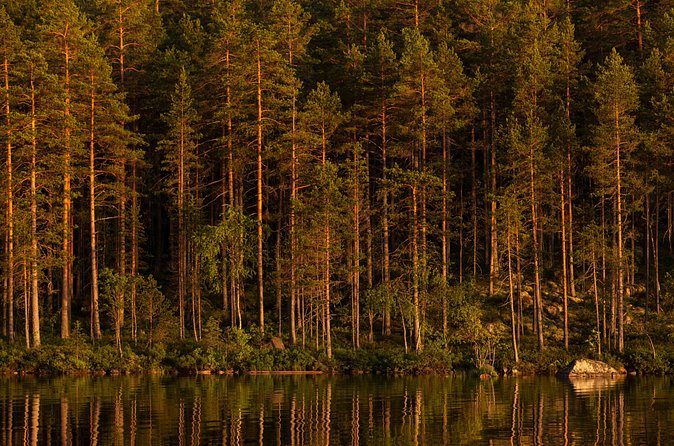
Here’s the honest part: you can do everything right and still not hear howls. Wolves are wild animals, and conditions affect activity.
So what should you do with that? I’d set expectations like this:
- Expect guided tracking and learning as the guaranteed core.
- Expect night listening as a high-moment possibility, not a promise.
- Expect some chance of seeing wildlife signs or even animals, but do not build your day around certainty.
This mindset keeps you from feeling disappointed. It also makes you notice more, because you are open to the forest’s smaller clues, not just the loud payoff.
The tour also runs on a schedule that includes two nights in the forest, which is a practical advantage. You get more than one window where wolves might be vocal.
Who This Is For (and Who Might Want Something Else)
You’ll likely love this if:
- you want hands-on wildlife learning, not just a bus-and-board walk
- you like the outdoors and can handle basic camping conditions
- you’re curious about wolf territory, behavior, and conservation issues
- you enjoy guided group settings where you can pay attention closely (max 7 helps)
You might skip it if:
- you dislike night walking, even with headlamps and guidance
- you need hotel-level comfort and do not want hammock sleep
- you want guaranteed wolf howling or guaranteed sightings
This is best described as a “wolf territory retreat with instruction,” not a wildlife safari with fixed outcomes.
Should You Book the Wolf Howl Experience?
I think you should book this if you care about learning wolves in a respectful way and you want an experience built around time outdoors, careful tracking, and quiet listening. The combination of a small group, provided equipment, and a structured focus on wolf behavior makes the experience feel like real nature work, not just a dramatic night plan.
Before you commit, do these three things:
- Tell them your dietary requirements when booking, so meals fit you.
- Be ready for moderate physical effort and at least two nights away from city comfort.
- Accept that hearing howls is a wild-animal bonus, not the only measure of success.
If that sounds like your kind of trip, then the Wolf Howl Experience is a strong choice for your Central Sweden time.
FAQ
Where is the tour meeting point?
You meet at Köping train station. The tour starts at 12:00 pm and ends back at the meeting point.
How many people are in the group?
The group is limited to a maximum of 7 travelers.
Is the tour language English?
Yes, the tour is offered in English.
What gear do I need to bring?
You use provided camping equipment, and you are advised not to bring your own gear.
What fitness level is required?
You should have a moderate physical fitness level, since you’ll hike in the forest and do night walking on rugged terrain.
Are meals included, and can they accommodate dietary needs?
Yes, you have outdoor meals, and you should advise dietary requirements at time of booking.
Is this tour refundable if I cancel?
No. The experience is non-refundable and cannot be changed for any reason.
Just listed in Central Sweden
- Husky cuddle at Fjälläventyr Dog Park – admission ticket★ 4.5 · 33 reviews
- Family Packraft tour in Sälen★ 5.0 · 3 reviews
- Sauna Ritual of the Lady of the Mine Experience★ 5.0 · 48 reviews