
Reviewed · WILDLIFE WATCHING IN STOCKHOLM
Evening Wildlife Safari with Campfire Dinner from Stockholm
Tyresta National Park in the evening is interesting because the forest starts acting like a stage. Light fades, animals become more active, and your guide moves you to the spots where sightings are most likely. I really like the small group of eight. It keeps things hands-on, not rushed. I also love the campfire dinner cooked over a wooden fire, because it turns a long day outside into something cozy and memorable. The only real drawback is that wildlife is never guaranteed, and in winter the walking can feel more slippery and demanding than it looks on a map.
You’re also not stuck in tourist-only Stockholm mode. This tour takes you out of the city and into a real national forest, with round-trip transit from Stockholm and an English-speaking guide. In many groups, guides like Daniel, Oscar, and Marietta are big on pointing out tracks, plants, and animal behavior as you go, so even a slower wildlife night still feels worth it.
Key highlights to know before you go
- Eight-person max keeps wildlife spotting calm and focused, not chaotic
- Tyresta National Park gives you forests and lake edges that feel far from the city
- Campfire dinner on wood fire makes the evening feel like an experience, not just a hike
- Binoculars included so you can scan like a pro, even if you are not a nature expert
- Evening safari after dusk is when many animals shift into movement
- Round-trip transport from Stockholm saves you time and stress
Why Tyresta at dusk feels like Stockholm’s real nature break
This is not a bus tour where you stop, take a few shots, and move on. You’re going into Tyresta National Park in the evening, when animals often start behaving differently than they do in full daylight. That timing is the whole point. You spend time walking, then you head out again when it gets dark, guided to places where the odds are better.
What makes it especially satisfying is how practical the experience is. You don’t just hear vague talk about Sweden’s wildlife. You get binoculars, you learn how animals use the forest and lake edges, and you get questions answered as you go. Several guides (I’ve seen Daniel, Oscar, and Lucas named) are clearly comfortable turning the forest into a living classroom, without turning it into a lecture.
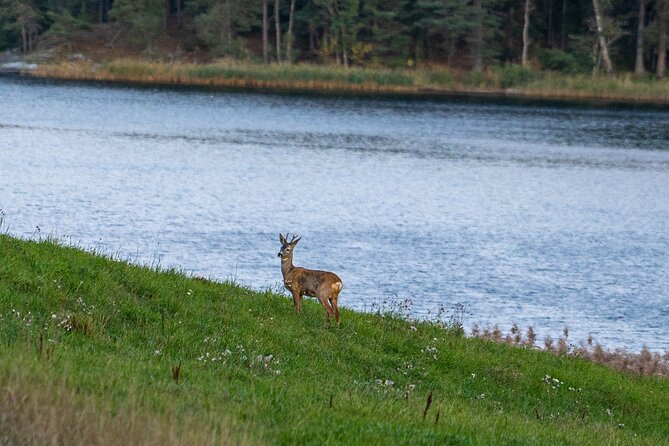
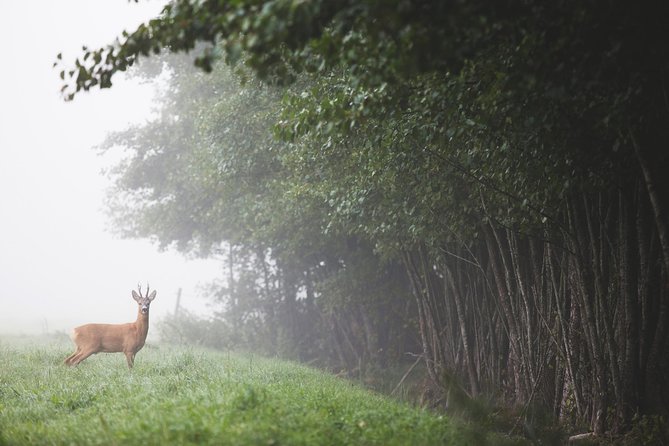
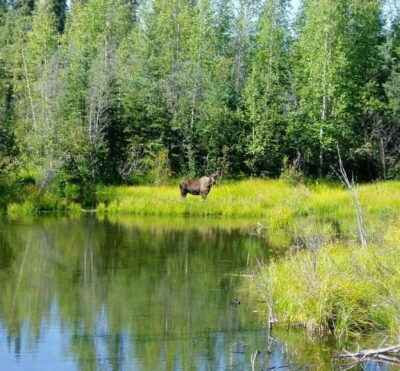
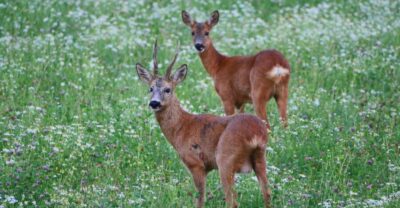
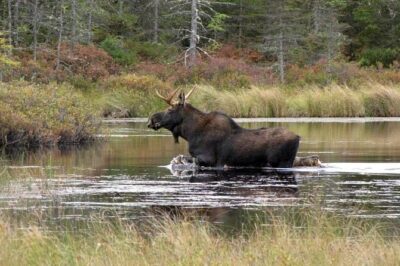
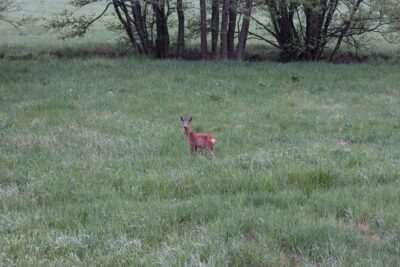
Just keep expectations grounded. Some nights are deer-heavy, other nights bring a mix like fox, hare, wild boar, or even moose sightings. If your personal goal is lots of variety in one night, you might feel a bit disappointed. If your goal is getting out of the city and spotting wildlife when it’s moving, you’ll probably have a great time.
More Wildlife Watching in Stockholm
- From Stockholm: Moose & Wildlife Safari with Campfire Dinner
★ 4.6 · 437 reviews - Stockholm: Evening Wildlife Safari with Midsummer Meal
★ 4.2 · 130 reviews - Stockholm: Wildlife Tour With Dinner and Short Hike
★ 4.4 · 99 reviews
Getting there from Stockholm, and why the 18:00 start matters
The meeting point is Tideliusgatan 62, 118 69 Stockholm. The tour starts at 18:00 and typically runs about 5 hours. In winter, the schedule shifts earlier, which makes sense because darkness arrives fast and the animals do not wait for your daylight plans.
Round-trip transit is included, which is a big quality-of-life perk. You hand off the navigation to the crew and focus on the experience. The vehicle is described as air-conditioned, and you’ll spend part of the evening traveling by minivan to scanning areas.
One small thing to note: the tour ends in a different location. That’s normal for this style of outing. It’s just worth mentally planning that your last stop may not be back at Tideliusgatan.
Small group dynamics: how eight people change the whole night
A cap of eight travelers is not just a number. It changes what your guide can do with the group. When you have a tight crew, the guide can slow down at the right moments, stop for tracks and signs, and still keep the whole party together.
It also makes wildlife spotting more realistic. Animals do not pause on schedule because a group arrived. With fewer people, the guide can manage spacing and keep noise down, which helps your chances without turning it into a tense silence-fest.
This is also where you get the personal touch. Many guides are praised for remembering names and keeping the mood light, even while they’re focused on reading animal activity. That balance matters. You want people who know where to look, but you also want a group feeling like a shared walk, not a strict outing.
Tyresta National Park walk: from forest paths to lake edges
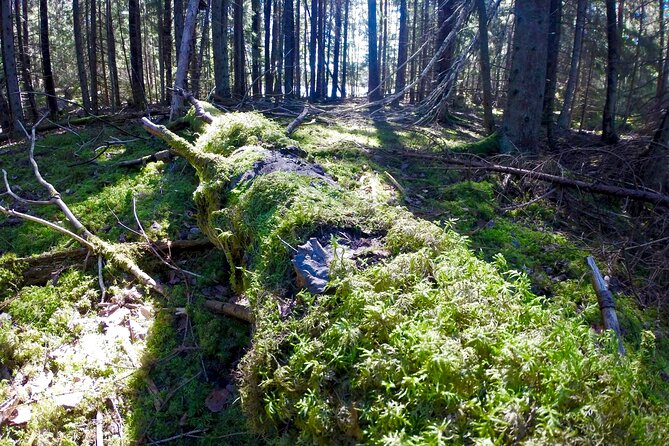
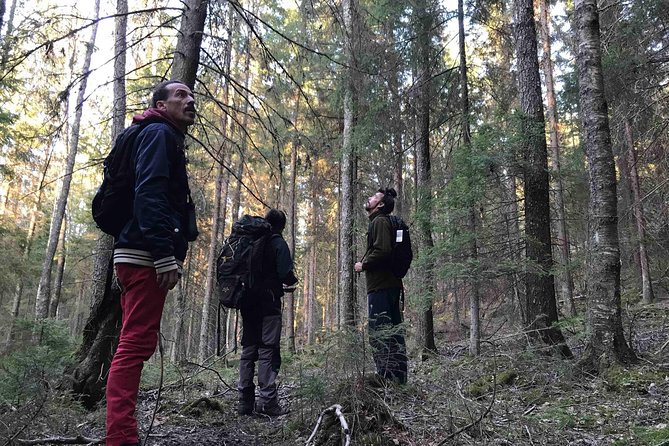
The first big portion of the evening is in Tyresta National Park. You’ll go by minivan to start scanning nearby areas, then you walk into the forest. The route often includes time around a lake, and that lake edge detail matters because water brings life. You’re looking for animals using the shoreline, plus the tracks and signs they leave behind.
In winter, this part of the tour can include snowy conditions and even frozen ground. Several people mention crossing or walking near a frozen lake, and others describe icy footing. Translation for you: this is not a flat stroll for everyone. It can be short and easy for some people, but it can also be long or a bit tricky depending on season and your comfort level with uneven, slick ground.
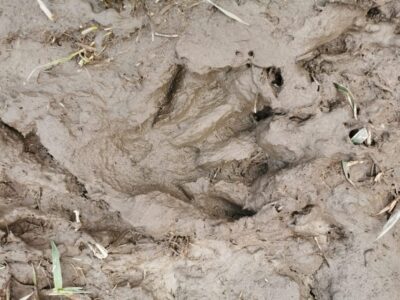
A nice bonus is that the guide keeps the walk educational in a way that stays practical. You learn about animal behavior and habits, plus what animals eat and how and where to spot them. Guides also point out plants and forest details as you go. Some groups even mention mushroom and berry foraging style walks, meaning you’ll likely spend time looking at what grows there rather than treating the forest as background scenery.
A few more Stockholm outings lined up together
- Evening Wildlife Safari from Stockholm
★ 4.0 · 83 reviews - Evening Wildlife Safari Stockholm
★ 4.5 · 61 reviews - Wolf and Wildlife Tracking in Sweden
★ 5.0 · 9 reviews - Explore the Norwegian Fjords and the Wildlife from Abisko.
★ 4.9 · 109 reviews
Campfire dinner over wood fire: cozy, simple, and part of the pacing
After the first walking phase, you break for dinner. The dinner is prepared over a bonfire cooked with wood fire, and the vibe is properly outdoorsy. Think warm food, smoke in the air, and everyone exhaling after a few hours outside.
This dinner is included in the price, and that matters for value. Outdoor tours can charge a lot and then hand you a basic snack. Here, dinner is a real part of the schedule, not an afterthought.
You may also get small hands-on moments around the fire. One common highlight is learning how to start or manage a fire using simple tools like flint, which is fun if you like doing rather than just watching. Even when the fire-lighting itself is limited by timing, the campfire portion still lands as a major memory maker for many people.
Dietary needs have been accommodated in at least one case, so if you have restrictions, it’s smart to mention them when booking. Also remember, you’re outside in the evening. If you get cold easily, that warm dinner timing is one of the best parts of the whole tour.
The dusk wildlife safari: minivan scanning and timing your eyes
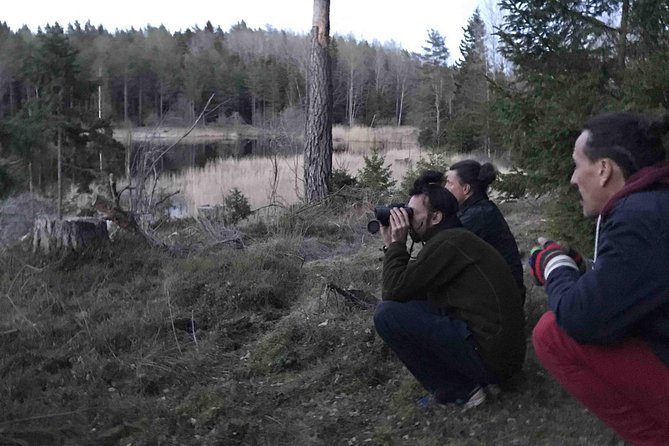
After dinner, the evening continues with a second round of wildlife scouting. This is when dusk hits, and that shift can be the difference between seeing nothing and seeing something that makes the trip click.
You’ll move by minivan to scanning areas where the guide expects activity. The goal is to view wildlife without causing panic. One practical tip that shows up in how these safaris are run: vehicles are part of the rhythm of the area, so the guide aims to keep movement controlled and avoid unnecessary shouting or sudden gestures.
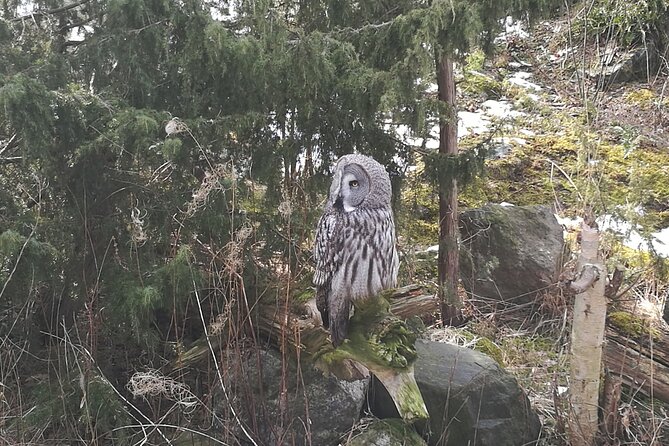
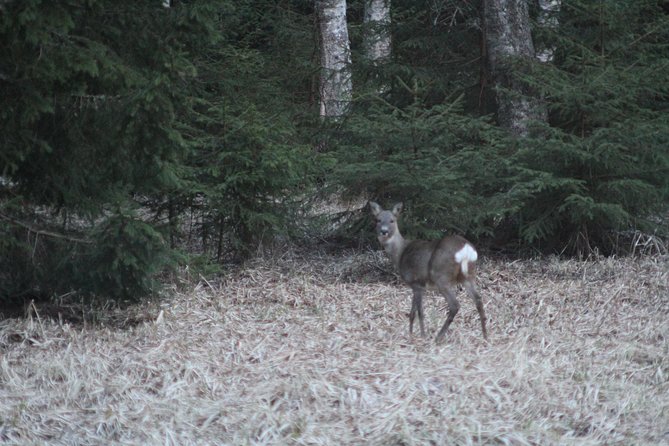
This phase is often where bigger sightings happen. People mention deer sightings again and again, but the true crowd-pleasers include moose, wild boar, fox, and hare. Some nights even include sightings like beaver activity, cranes, owls, or badgers. Don’t count on every animal category every time. But do count on the guide making the most of timing, light, and positioning.
You’ll also benefit from the included binoculars here. You may not spot movement with the naked eye right away. With binoculars, you can scan edges of the forest, open areas near the lake, and darker spots where animals like to pause.
What you can realistically expect to see (and how to stay happy if it’s light)
If you want a guaranteed animal list, you won’t get one here. Wildlife behaves on wildlife time. That said, the tour has a strong track record of common species in Sweden’s coastal-forest zone.
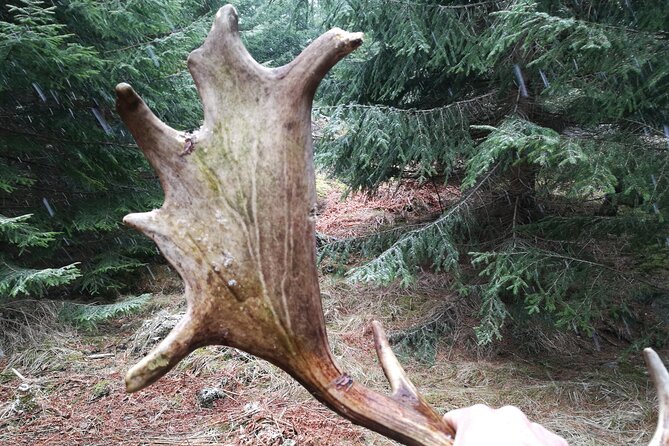
Here’s what shows up frequently in reported sightings: deer, including fawns in some cases; wild boar; moose; fox; and hares. Other animals mentioned include cranes, rabbits, owls, badgers, and even reindeer in one group near the end of the route.
How do you stay satisfied if your night is quieter?
- Focus on behavior and signs. Tracks, feeding areas, and movement patterns are part of the experience, not just a backup plan.
- Accept that wildlife is a timing game. If the night is overcast or animals stay hidden, you still walked a real forest route and learned how spotting works.
- Enjoy the forest itself. You’re not only chasing animals. You’re learning a whole system of life in a park that changes from day to day.
The best nights feel like a conversation with the forest. Even when you see fewer animals, the guide’s route choices and teaching moments tend to keep the outing feeling complete.
Walking level, footing, and what matters for comfort
This tour is a hike plus evening scouting. In other words, it is active, even if the total time stays around 5 hours.
In winter, the ground can be snowy or icy, and people mention frozen lake conditions and snow underfoot. If you’re not comfortable on slick terrain, go slow and use your balance carefully. The route is described as something you can participate in for most people, but one review note suggests the hike could be difficult for some, depending on abilities.
A practical way to judge this for yourself: if you can handle an outdoor evening walk with uneven footing, you’ll likely do fine. If your walking ability is limited, you might want to choose a different type of tour, or at least set expectations that the pacing may not suit you.
Also keep in mind that your time outdoors stretches from early evening into later night. You’ll need to be okay staying outside for hours, including waiting for dusk to bring activity.
Price and value: is $166.76 for 5 hours a fair deal?
At $166.76 per person for about 5 hours, this is not a budget add-on. But the value isn’t just the hike. You’re paying for guided interpretation, transport, and food in a remote setting.
Here’s what you get included:
- Round-trip transit from Stockholm
- A personal guide
- Binoculars
- Dinner prepared over a bonfire
- Time in Tyresta National Park with an evening wildlife focus
- Offered in English
When you compare that to booking separately, it starts making sense. You’d likely pay for transport and a guide by themselves if you tried to recreate this day on your own. And dinner cooked over wood fire is also not something you’d easily plan for with a spontaneous evening plan.
Another value clue is demand. This type of tour is often booked about a month in advance on average, which suggests people find it worth the cost. Still, it’s your call. If you really want a higher chance of constant wildlife action, keep in mind that nature is nature, and you’re paying for the experience and the hunting plan, not a guaranteed animal parade.
Who should book this Stockholm evening safari, and who should skip it
This tour is a great fit if you want:
- A small-group wildlife experience near Stockholm
- A mix of walking and vehicle-based scouting
- A real campfire dinner as part of the day
- An English-speaking guide who shares what animals do and how they behave in Sweden
It’s also a strong choice for families in many cases. Guides like Daniel and Oscar have been praised for keeping kids engaged, including children around school age. If you travel with kids, just remember that winter footing and evening walking are the limiting factor, not the wildlife talk.
Consider skipping if:
- You want a guaranteed number of animal sightings
- You don’t enjoy active walking, especially on icy or snowy ground
- You prefer city sights and museums and want less time outdoors
Should you book this evening wildlife safari with campfire dinner?
My take: yes, this is worth booking if your goal is to swap city hours for a real Swedish forest evening with guided spotting and a bonfire dinner you actually remember. The small group size, binoculars included, and the round-trip transit all reduce the usual friction that can make nature tours stressful.
Book it when you’re excited about nature and okay with the fact that wildlife timing is unpredictable. If that sounds like you, you’ll probably come away thinking, this was a smart use of time in Stockholm. If you need guaranteed big-cat style action every minute, you may find it frustrating. In that case, pick a different kind of activity where the outcome is more controlled.
FAQ
What time does the tour start in Stockholm?
The experience starts at 18:00 and runs for about 5 hours. In winter time, the timing is earlier so you still get enough hours in the park before later darkness.
How many people are in the group?
The group is capped at a maximum of 8 people, which keeps the tour more personal and easier for the guide to manage during walking and wildlife scouting.
Does the price include transportation from Stockholm and dinner?
Yes. Round-trip transit from Stockholm is included, and dinner is prepared over a bonfire. Binoculars are also included.
What will we do first during the evening?
You start by heading to Tyresta National Park area, where you begin scouting for wildlife, then you walk in the forest around a lake. After that walking phase, you take a break for dinner.
Is this tour only for adults?
Most people can participate, and the tour is often described as enjoyable for families. The main factor is comfort with walking outdoors, especially in winter conditions.
What animals might I see?
Sightings can vary, but common animals people mention include deer, moose, wild boar, fox, and hare. Other animals that have been spotted in some groups include cranes, owls, badgers, and reindeer.
More Dinner Experiences in Stockholm
- Snowmobile Aurora Expedition with dinner
★ 4.5 · 111 reviews - Kiruna: Reindeer Herder Tour with Sami Dinner and Transfers
★ 4.9 · 33 reviews - Abisko: Northern Lights Photography Tour with Dinner
★ 5.0 · 31 reviews - Experience the majestic Auroras Kiruna-Abisko & lodge dinner
★ 5.0 · 23 reviews
More Dining Experiences in Stockholm
- Exclusive Yacht Tour of Stockholm: sunset, dinner, lunch, cruise
★ 5.0 · 26 reviews - Private Yacht Cruise with Lunch or Dinner in Stockholm Archipelago
★ 4.5 · 4 reviews - Kiruna: Northern Lights Tour with Stejk Street Food Dinner
★ 4.9 · 231 reviews - Kiruna: Sami-Inspired BBQ Dinner with Northern Lights Chase
★ 4.7 · 160 reviews
Just listed in Stockholm
- Stockholm: Old Town by Locals + Exclusive Souvenir Poster★ 5.0 · 4 reviews
- 3 Hours Guided Shopping Tour in Stockholm Thrifting Stores★ 5.0 · 4 reviews
- Icebathing and Sauna in Stockholm nature★ 5.0 · 4 reviews
- Central Stockholm: A Self-Guided Audio Tour in the Modern City★ 5.0 · 4 reviews
- World War II Stockholm Old Town Walking Tour and Army Museum★ 4.6 · 4 reviews
- Stockholm Jogging Tour★ 3.9 · 6 reviews
- Wolf and Wildlife Tracking in Sweden★ 5.0 · 9 reviews
- Stockholm: Hike, Forest Lunch, and Cold-Water Floating★ 4.9 · 8 reviews
Wildlife Watching in Stockholm, compared.
Browse the lists this tour appears in