
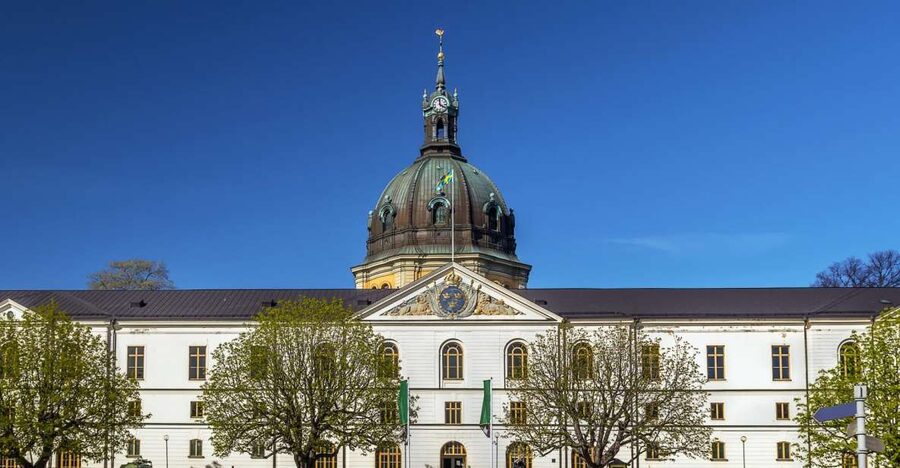
Reviewed · OLD TOWN (GAMLA STAN)
World War II Stockholm Old Town Walking Tour and Army Museum
World War II in Sweden is not the simple story most people expect, and that is what makes this tour so interesting. You start in Gamla Stan and the guide connects the street corners, major institutions, and memorials to the big wartime questions, including the rescue work of Raoul Wallenberg.
I like that the tour mixes politics with human stakes, so you learn what neutrality meant in practice, not just as a textbook idea. I also like that you can add the Army Museum, where you get hands-on context through documents, uniforms, and weapons, plus a dedicated angle on Wallenberg. One consideration: the base 2-hour option skips the Army Museum, so if that part matters to you, budget for the 3-hour version.
Key things to look forward to
- A private, licensed WWII-focused guide who leads you through Gamla Stan with local context and clear explanations
- Swedish neutrality in wartime, including the hard questions about how it played out and how refugees were treated
- A major memorial stop at Berzelii Park, with the Remembrance Path and the Raoul Wallenberg story
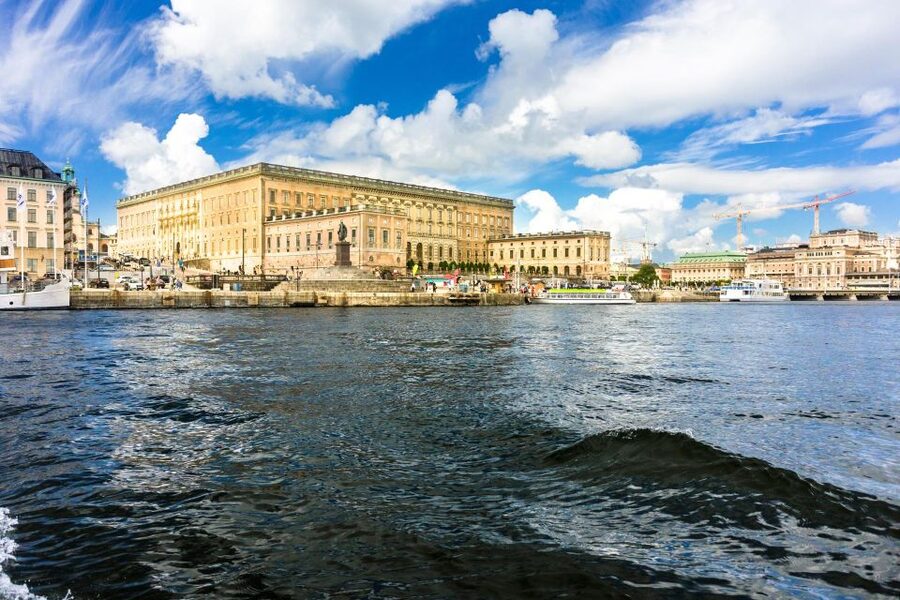
- Landmarks with real wartime relevance, including the Royal Palace, Storkyrkan, and Parliament House
- The Army Museum add-on (3-hour option) with exhibits tied to Swedish military life and Raoul Wallenberg
Meeting at Lars Johan Hierta Monument, then walking into wartime Stockholm
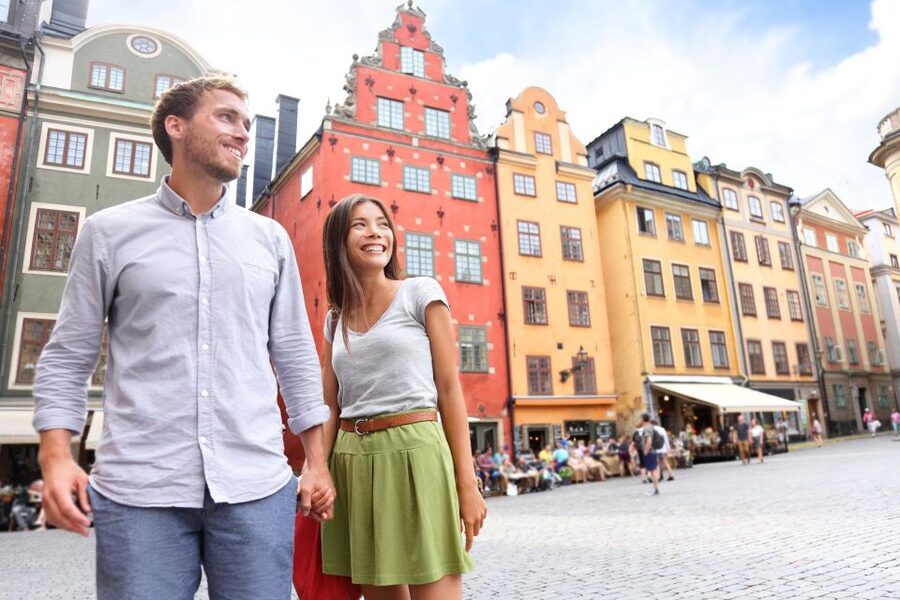
Your tour meets at the Lars Johan Hierta Monument at Riddarhustorget 9. It is a great starting point because it is tied to Sweden’s public life, not just a random “history spot.” From there, you head into Gamla Stan, where the buildings look timeless, but the guide keeps reminding you that decisions made here had consequences across borders.
This is a private group walking tour, typically sized for real conversation. That matters because WWII topics are complicated, and the guide can answer follow-up questions as you go. Also, it is offered in several languages, including English, German, Italian, French, Spanish, Russian, and Swedish, so you can pick the one you are most comfortable with.
Even if you only choose the 2-hour version, you still cover a lot of meaningful ground. You will see major civic and religious landmarks, several WWII and Holocaust-related memorial points, and you will get the storyline that ties it all together.
More Walking Tours in Stockholm
- Stockholm: Ghost Walk and Historical Tour
★ 4.7 · 2,685 reviews - Stockholm Gamla Stan: Old Town Walking Tour with Local Guide
★ 4.7 · 1,714 reviews - Walking Tour of Stockholm Old Town
★ 5.0 · 1,175 reviews
How Swedish neutrality gets explained without the easy answers
One of the biggest reasons I recommend this tour is how it treats Sweden’s WWII role as a set of questions, not a single slogan. The guide sets the context early: you look at the socio-political climate in Scandinavia, how neutrality worked at the start of the war, and how that stance shifted as the conflict dragged on.
You will cover things like foreign trade pressure and domestic politics, plus the reality of Soviet bombings of Sweden. That is a key point for your understanding. Neutrality was not “safe distance.” It was a tightrope act under threat from multiple directions.
The tour also addresses moral and human questions. You will learn about whether Jewish refugees were welcome, and you will hear about the claim that neutrality helped the Germans. The useful part for you is the framing: the guide does not just recite outcomes, they explain the environment that shaped decisions, including government and church responses, and the reactions of the royal family.
If you like history that feels grounded in real choices, not just dates, this approach will fit you well.
Royal Palace, Storkyrkan, and Parliament House, where power had to react fast

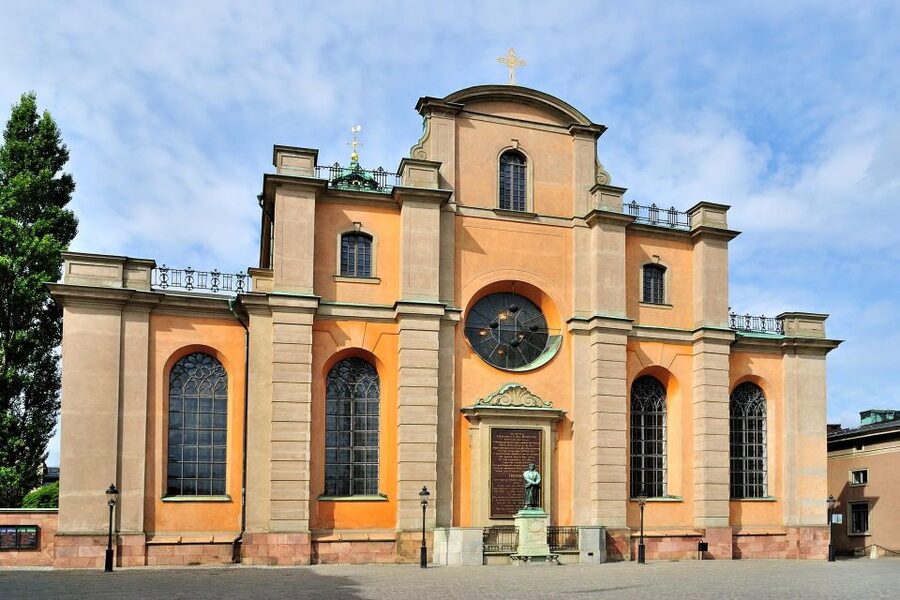
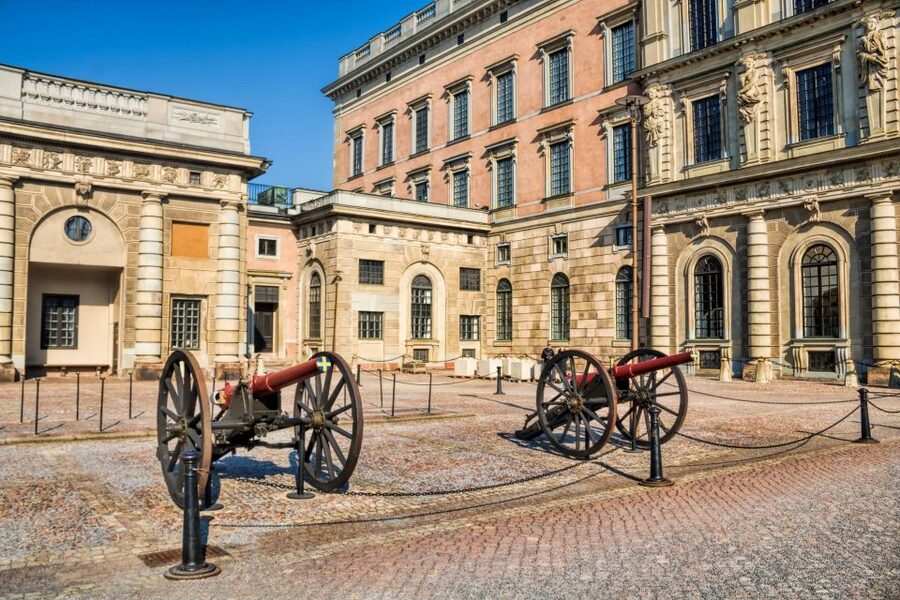
The walking route includes several of Stockholm’s best-known political and symbolic buildings. You will admire the Royal Palace, Storkyrkan (the Cathedral), and Parliament House as you talk through what was happening around them during the war.
These stops are not “photo time” first. They are anchors for interpretation. When you stand near the Royal Palace, for example, the guide connects the place to the broader story about how Sweden’s leadership had to respond to shifting pressure. The same goes for Parliament House and the cathedral area, where you get discussion about how institutions shaped, and sometimes constrained, responses to the crisis around Europe.
There is also an angle that history nerds tend to love: the way the war influenced the prestigious Nobel Prize awards. Even if you do not care about prize history, this is a clever way to show that WWII reached far beyond battlefields. It affected cultural life, international standing, and what the world recognized.
You get a strong sense that the war was not a distant event. It pressed on the structure of Swedish public life.
Berzelii Park Remembrance Path and Raoul Wallenberg’s rescue story
A highlight for me is the tour’s memorial focus. You follow the Remembrance Path in Berzelii Park, and this is where the story turns toward what people did when lives were on the line.
Raoul Wallenberg’s effort to save Jewish people is presented as a heroic and complicated humanitarian mission. You hear how Jewish people escaping the German occupation of Denmark and Norway fit into the larger picture, including the humanitarian urgency created by the Holocaust.
This portion works because the guide keeps the narrative tied to place. At a remembrance site, it is easy to feel like you are just passing through a solemn moment. Here, the context explains why the memorial matters, and how Wallenberg’s actions connected with the wider Scandinavian wartime situation.
If you are choosing between the 2-hour and 3-hour options, keep this in mind. Both include the story beats and the memorial points tied to WWII and the Holocaust. The longer option just adds the museum layer on top.
Other walks through Gamla Stan:
- The Original Stockholm Ghost Walk and Historical Tour – Gamla Stan
★ 4.5 · 1,165 reviews - Stockholm: Old Town Private Walking Tour
★ 4.7 · 675 reviews - Stockholm: Guided Historic Old Town Walking Tour with Local
★ 4.8 · 618 reviews - Stockholm: Old Town Walking Tour
★ 4.3 · 596 reviews
War monuments, Soviet bombings, and the Scandinavia escape storyline
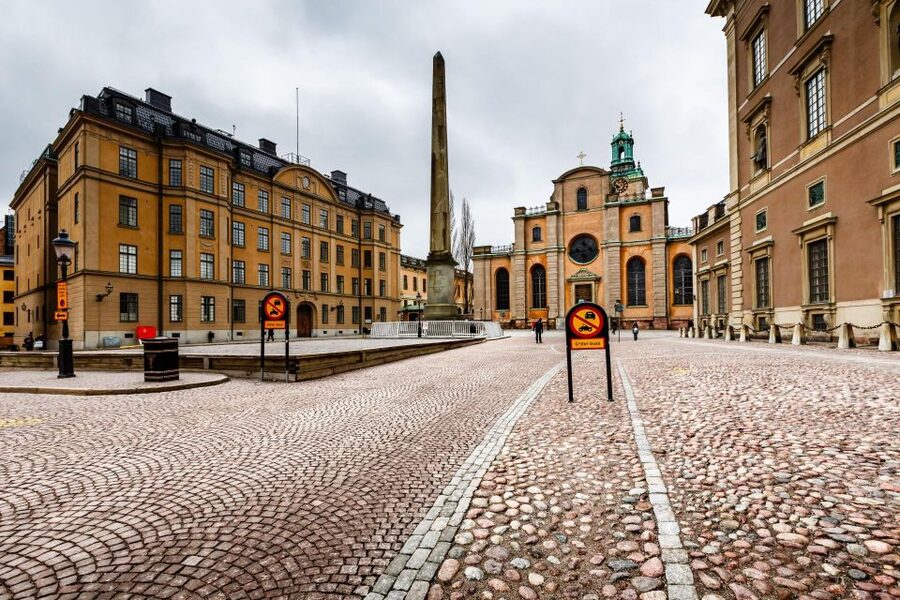
Stockholm during WWII did not just “watch.” Sweden dealt with violence reaching its doorstep. Part of the tour’s core arc covers Soviet bombings of Sweden, which adds tension to what you may otherwise assume was a calmer, neutral setting.
You also learn about Operation Save Denmark. That name matters because it signals something practical and organized, not just general compassion. You get the sense of a rescue effort operating under brutal constraints, connected to the movement of refugees and the German occupation across the region.
The guide also points you to monuments dedicated to WWII and to the Holocaust. Those stops are useful because they prevent the story from becoming abstract. You can see how Sweden chose to remember, what it emphasized, and what it decided to put into public space.
One small caution: if you prefer history without heavy moral weight, this tour might feel intense. That said, the tour handles these topics as part of the real story of the era, not as shock value.
The Army Museum stop: what you gain in the 3-hour tour option
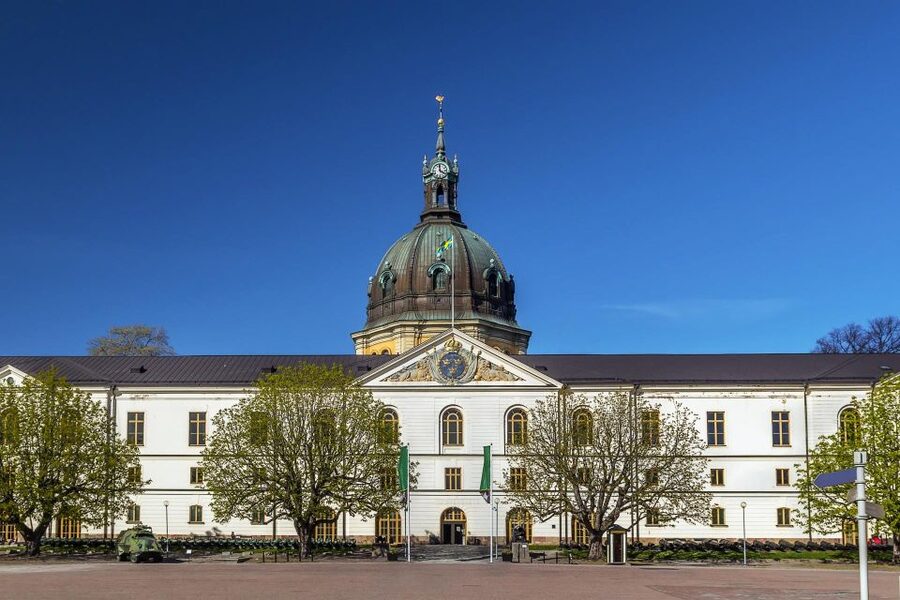
If you pick the extended 3-hour itinerary, the tour includes a visit to the Army Museum. This is where the experience becomes more tactile and less purely narrative.
The Army Museum explores more than 500 years of wartime and peacetime in Sweden. That time span helps you zoom out. Instead of treating WWII as a one-off crisis, you get a sense of how Swedish military life and civilian conditions relate over long stretches of time.
The museum has a specific exhibition dedicated to Raoul Wallenberg, so your understanding does not reset after the street walk. You continue the Wallenberg thread using museum materials, which is a smart learning design if you want the story to stick.
You also see historical documents, military uniforms, weapons, and trophies. Even if you are not a military buff, these objects help you picture daily reality: who wore what, what equipment existed, and what “war history” looked like beyond speeches and headlines.
Important practical note: the Army Museum is included only with the 3-hour option. If you book the 2-hour version, you will still get a strong WWII and Holocaust walking route, but you will not have the museum time. I would treat that as the main decision point.
Price and value: is $205 per person worth it?
At $205 per person for a 2 to 3 hour private tour, the price is not low. You are paying for three things you cannot really fake with an audio guide: a 5-star expert guide, private group attention, and the museum entry for the 3-hour option.
Here is how I think about value.
If you choose the 2-hour tour, you are paying for a focused Old Town route anchored by major sites, plus Holocaust and WWII memorial context. That can be worth it if you want interpretation without museum time. You also get the guide language options, which is a real quality-of-life factor.
If you choose the 3-hour tour, the value improves if you care about artifacts and military context. The museum visit adds a lot of learning time, and it includes admission. You also get a second encounter with Raoul Wallenberg’s story, first in the city walk and then through museum exhibits.
There is also a group-size factor. The tour limits group size based on how many guides are assigned. If your group is large enough to require extra guides, the price will be higher. So the best value usually comes from booking a realistic private group size.
My practical take: if you are the kind of person who likes history explained clearly, and you want the Holocaust and neutrality story handled responsibly, this is a good use of money. If you are trying to cover Stockholm with a tight budget, you might prefer a general Old Town walk and add museum time separately.
Who this tour is best for, and who should reconsider
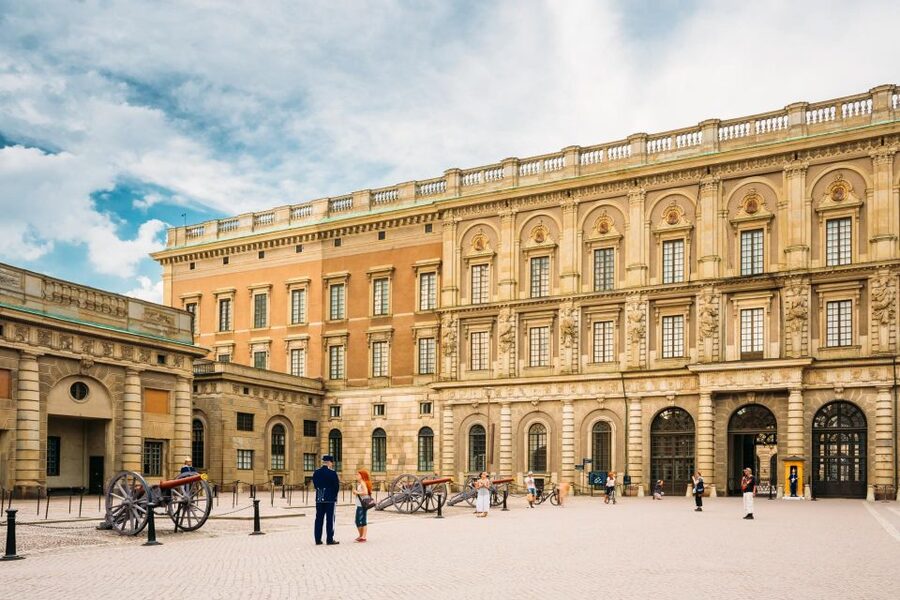
This tour fits you best if you want WWII explained in a Scandinavian context, with attention to politics and people. You should also like walking between meaningful landmarks, because the guide uses the Royal Palace area, Storkyrkan, Parliament House, and Berzelii Park as story anchors.
It is also a strong choice for history buffs who want the Raoul Wallenberg thread treated seriously, including the Scandinavian escape and rescue angle connected to Denmark and Norway.
Consider a rethink if you are traveling with very young kids or if the heavy Holocaust and wartime material will be tough for your group. Even though it is a walking tour, the themes are emotionally weighty.
Also, if you love pure “art and architecture only” sightseeing, you might find the pace and emphasis less suited to you. The buildings are beautiful, but the tour is really about wartime decisions and their consequences.
Quick practical tips before you go
A few things to make your experience smoother.
First, check your email about 24 hours before your tour. The guide provider notes that important information may be sent then, and it can affect timing and expectations.
Second, dress for walking in Old Town. Gamla Stan is full of short stretches and turns, and you will spend real time on your feet across 2 to 3 hours.
Third, pick your time slot based on how much you want museum time. The museum adds a distinct learning style: documents, uniforms, weapons, and trophies are not just “another exhibit,” they help you visualize the era.
Fourth, if language matters to you, choose the option that matches your comfort level. You can book in German, Italian, French, Spanish, Russian, English, or Swedish, and this is one tour where clear understanding really helps.
Should you book the WWII Stockholm Old Town and Army Museum tour?
I think you should book this tour if you want WWII in Sweden explained with real context, including the tough questions about neutrality, refugee treatment, and what happened under pressure. The combination of major Old Town landmarks, Holocaust memory at Berzelii Park, and the option to add the Army Museum for artifacts and deeper background makes it a solid, value-minded history experience.
I would skip or reconsider only if your goal is light sightseeing, or if you are set on the 2-hour version but secretly want the museum’s uniforms and documents. If the museum matters, go for the 3-hour option so your money buys the full picture.
FAQ
Where does the tour meet?
You meet your guide in front of the Lars Johan Hierta Monument, Riddarhustorget 9, 111 28 Stockholm.
How long is the WWII walking tour?
The tour is offered in 2 to 3 hour options. The 2-hour option is a walking tour in Gamla Stan, and the 3-hour option adds the Army Museum.
Is the Army Museum included?
The Army Museum visit is included only with the 3-hour tour option. It is not included in the 2-hour tour.
What languages are available for the live guide?
Live guides are available in German, Italian, French, Spanish, Russian, English, and Swedish.
Is the tour wheelchair accessible?
Yes, the tour is wheelchair accessible.
What group size is allowed for the private tour?
Group size is limited based on guide assignment, with 1 to 25 guests per guide and 26 to 50 guests per 2 guides.
What is the cancellation policy?
You can cancel up to 24 hours in advance for a full refund.
Guided Walks in Stockholm
- Stockholm: Swedish Food Guided Walking Tour
★ 4.5 · 1,167 reviews - Best of Stockholm Walking Tour-3 Hours, Small Group max 10 people
★ 5.0 · 645 reviews - The Nordic Food Walk Stockholm
★ 4.5 · 642 reviews - Walking Tour of Stockholm’s Old Town, Gamla Stan
★ 5.0 · 451 reviews
Museum Days in Stockholm
- Stockholm: ABBA The Museum Entrance Ticket
★ 4.7 · 11,280 reviews - Stockholm: Skansen Open-Air Museum Admission Ticket
★ 4.5 · 3,427 reviews - Stockholm: Paradox Museum Entry Ticket
★ 4.2 · 3,031 reviews - Stockholm Pass: Save up to 50% – Includes Vasa Museum Ticket
★ 4.1 · 2,392 reviews
Just listed in Stockholm
- Stockholm: Old Town by Locals + Exclusive Souvenir Poster★ 5.0 · 4 reviews
- 3 Hours Guided Shopping Tour in Stockholm Thrifting Stores★ 5.0 · 4 reviews
- Icebathing and Sauna in Stockholm nature★ 5.0 · 4 reviews
- Central Stockholm: A Self-Guided Audio Tour in the Modern City★ 5.0 · 4 reviews
- Stockholm Jogging Tour★ 3.9 · 6 reviews
- Stockholm: Hike, Forest Lunch, and Cold-Water Floating★ 4.9 · 8 reviews
- Wolf and Wildlife Tracking in Sweden★ 5.0 · 9 reviews
- Stockholm: Archipelago Cruise with Lunch (guided)★ 3.8 · 10 reviews
Old Town (Gamla Stan), compared.
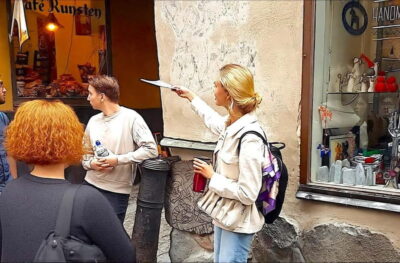
Stockholm Gamla Stan: Old Town Walking Tour with Local Guide
Read our review →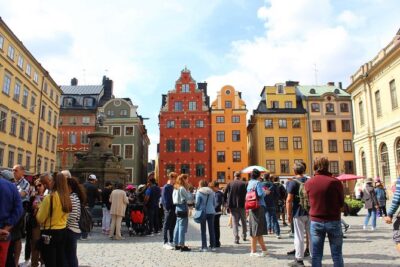
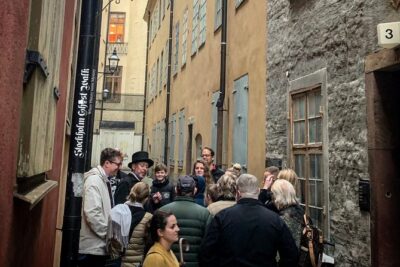
The Original Stockholm Ghost Walk and Historical Tour – Gamla Stan
Read our review →
Guided Historic Old Town Walking Tour with Local
Read our review →
Walking Tour of Stockholm’s Old Town, Gamla Stan
Read our review →
Browse the lists this tour appears in