
Reviewed · PHOTOGRAPHY SESSIONS
Kiruna: Northern Light Photo Tour with Equipment
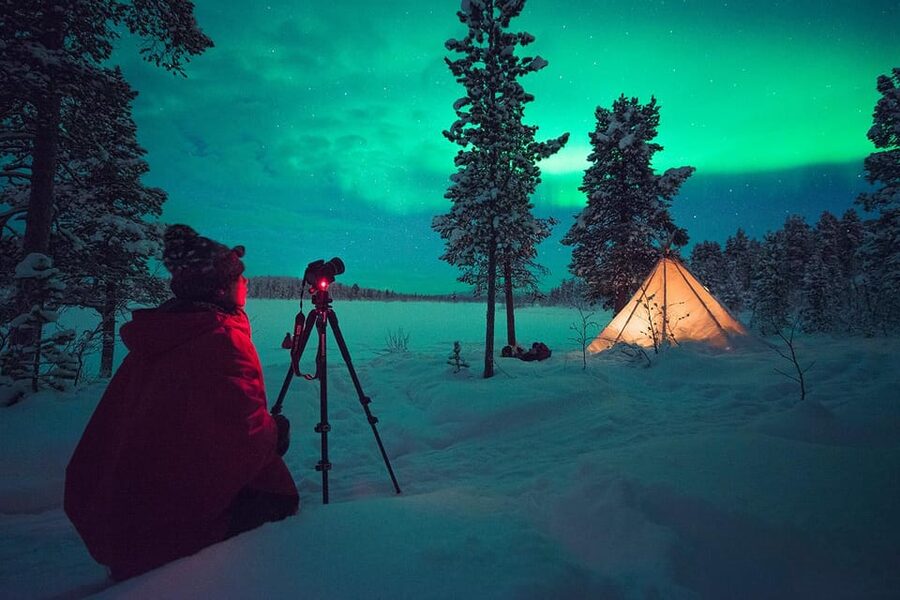
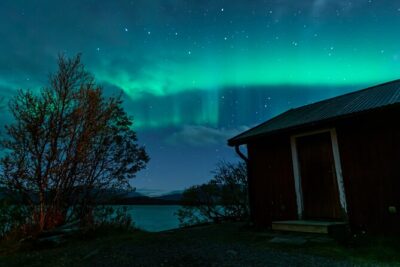
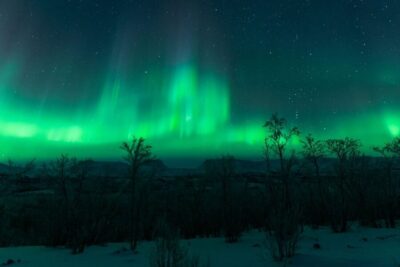
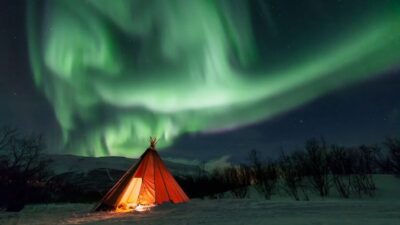
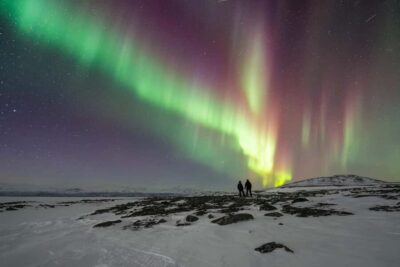
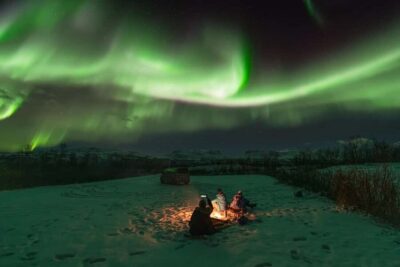
Kiruna’s night sky is the main event, and this tour is built around the reality that the Northern Lights are unpredictable. You go out specifically to improve your odds, with local Sami guidance and gear that makes long-night photography possible.
I love that you get real photography help plus the right tools, not just a quick drive and a wish. I also like the small group size, which keeps the lesson hands-on and lets you actually ask questions while it is dark and cold.
One consideration: the aurora depends on weather, so even with smart planning, you are not guaranteed to see it on your night.
Key Things You’ll Notice on This Kiruna Aurora Photo Tour
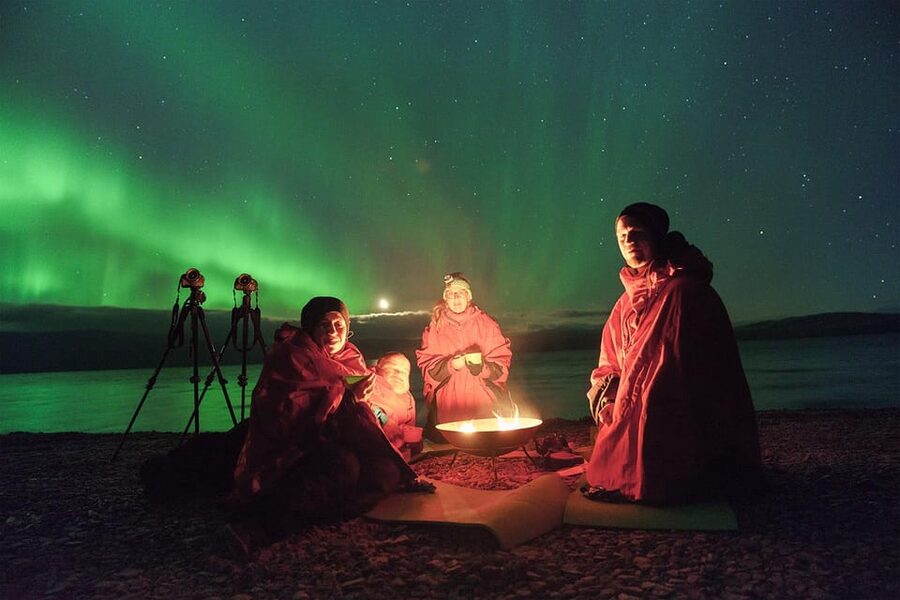
- Local Sami photo guides help you choose where to shoot based on the night’s conditions
- Loaned camera gear and a tripod take a lot of guesswork out of setup
- Transportation to the best spots means you are not stuck waiting in one place
- Warm cover clothes and a headlamp keep you focused on the sky, not your comfort
- Weather flexibility gives you chances even when conditions are not ideal
Kiruna at Night, The Practical Reason This Tour Works
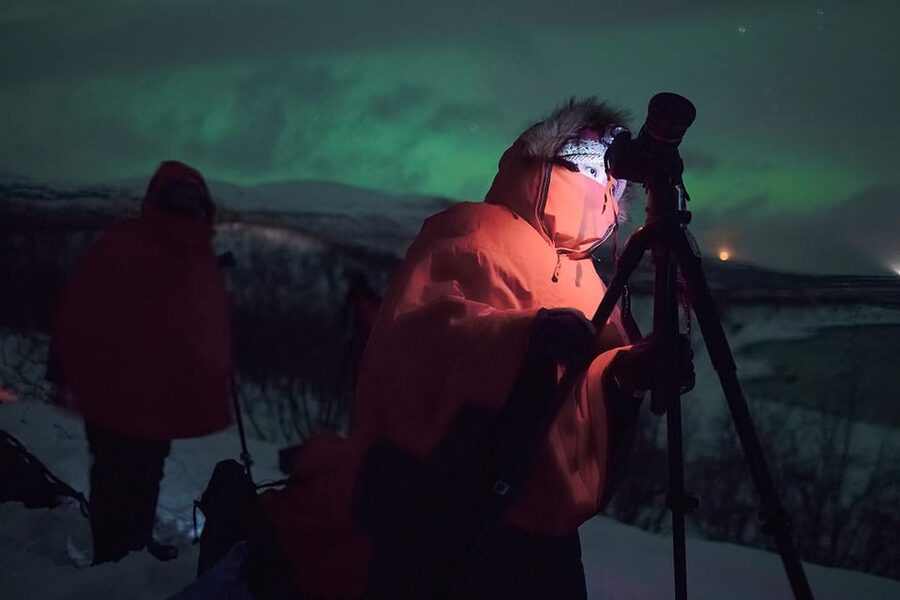
If your idea of the Arctic is cold darkness and silence, this tour delivers that. But the point is not just to be outside. The point is to leave with photographs of the Northern Lights, and to learn how to get them instead of hoping luck does the heavy lifting.
The operator, Scandinavian Sami Photoadventures, runs a Northern Light photo outing that is structured around one truth: every night is different. Clouds, wind, and visibility change constantly. So the tour plan is not fixed like a museum schedule. Instead, you head out with a guide team that chooses the best possible shooting area for the sky you actually get that evening.
You should also know this tour is designed for people who want help right now. You borrow a camera and tripod, plus you get in-the-moment coaching on how to handle the equipment in the dark. That matters because aurora photography is less about expensive gear and more about stability, settings discipline, and knowing what to do when the lights appear suddenly.
More Photo Tours in Kiruna
- Kiruna Northern Lights Tour with Photographer
★ 5.0 · 735 reviews - Kiruna: Northern Lights Tour with Photos
★ 4.9 · 333 reviews - Magical Northern Lights Photography Tour Kiruna
★ 4.5 · 30 reviews
Pickup Times and The Start of Your Aurora Hunt
The evening begins with pickup. From Camp Ripan, collection is at 7:30 pm. From the Touris Center on Malmvägen 9B, pickup is around 7:15 pm. Either way, you are meeting the group before the real cold settles in, while there is still time to get organized.
You’ll be traveling as part of a small group capped at 8 participants. For Northern Lights tours, that small size is not just a comfort perk. It makes photo instruction workable. A larger group turns into a line of people standing in the same spot, each with their own questions, and the guide gets split too many ways.
From the start, you should plan to be out in proper winter conditions. The tour includes warm cover clothes and a headlamp, but you still need to bring warm clothing too. Cold hands and numb fingers are the fastest way to ruin fine camera adjustments.
What You Get Before You Even Take Your First Shot
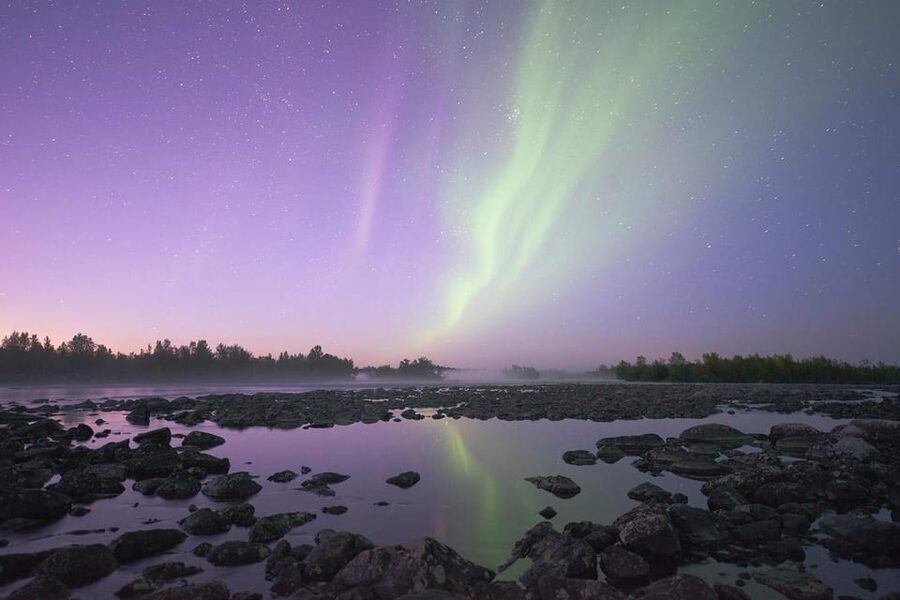
This tour is set up for photography without requiring you to own a dedicated camera kit.
Included items are:
- Camera equipment with a wide-angle lens for Northern Lights
- Tripod for either a camera or a mobile phone
- Headlamp
- Warm cover clothes
- Transportation to the best Northern Lights spots
- Professional Sami photo guides
There’s one more small detail that trips people up: an SD memory card is not included. You can buy one, but plan ahead so you do not lose your best shots to a missing card.
If you are bringing your own phone, the tripod option is a big deal. The aurora can look faint with the naked eye and still photograph beautifully. A tripod helps you avoid blur and gives the guide a chance to show you how to stabilize your setup so your phone is doing the same job as a camera would.
Your Guide Team, Why Local Knowledge Matters
This is not a generic aurora chase. You are guided by Sami photo guides who live in and know the area. The tour emphasizes that the guides have deep roots in the forest and the region, and that local knowledge helps them pick better spots for that specific night.
That shows up in a practical way. Instead of telling you to set up and wait for hours, you are moving to the best chance for clear skies. When the sky is uncertain, “where you go” becomes part of the craft, not just an add-on.
It also explains the tour’s main promise: even in bad weather, there are many spots with better conditions if you know where to go. Clouds are not uniform across the area. Terrain, wind direction, and local weather patterns can create patches of clearer sky. Local guidance helps you use that.
A few more Kiruna outings lined up together
- Northern Light Photo tour
★ 4.5 · 18 reviews - Kiruna: Small-Group Aurora Borealis Wayfinding with Photos
★ 3.8 · 7 reviews - Kiruna: Wildlife and nature photography
★ 4.5 · 7 reviews - Half day Wildlife and Nature Photography
★ 5.0 · 6 reviews
The Photo Lesson Part: From Standing Still to Shooting on Purpose
Once you are out, you get coaching focused on the things that matter for aurora photos: handling your camera safely in cold conditions and using it to capture the lights effectively.
In the real world, auroras can be subtle at first. You might see faint movement before you get the moment you want on camera. So you learn how to:
- set up your tripod quickly and securely
- keep your camera stable during long exposures
- manage focus and exposure in a very dark environment
- use your equipment confidently even if you brought your own camera
One review-style lesson you can take from the tour’s approach is that the guides are willing to work with your gear. If you want to test your own camera, you are not forced into using only the provided one. That flexibility is valuable because your results improve when you are comfortable with what you brought.
Also, you will have a headlamp, which sounds minor until you remember how often people fumble with gear in the dark. Keeping light off your lens direction helps reduce glare and helps you adjust without blinding yourself or others.
How The Tour Chooses Where to Go Mid-Evening
The tour is based on the idea that the best shooting location changes with the weather. You go out on a planned photo outing, but the exact place you photograph from depends on what the sky is doing that night.
So here is the realistic mental model to use:
- If clouds block the view, you do not give up.
- The guides look for locations that improve your chance of seeing the aurora clearly.
- You get moved by transportation, so you are not limited to whatever is right beside the pickup point.
This is where the tour earns its keep. If you tried to do this on your own, you would need weather awareness, local driving comfort, and the ability to identify aurora-friendly conditions quickly. The tour handles those parts for you, while you focus on taking the best photo you can.
The Northern Lights Moment, What You Should Expect in the Field
Aurora nights have a rhythm, and the tour prepares you for it. You will spend time outdoors with your tripod and camera ready, watching for the lights to show up. Then, if the conditions cooperate, you get the burst of activity where it becomes about timing and stability.
The important point is this: seeing the aurora is subject to weather. The tour is candid about that. What the tour provides is a serious attempt to improve your odds by adjusting your location and using proper equipment.
Even on nights with less clear skies, you can still come away with something valuable: a set of aurora photos (if the sky breaks through), plus the skills to do better next time. That second part is often what people remember, because it turns a single night into a reusable experience.
Equipment Borrowing and Tripod Setup Tips You’ll Actually Use
Borrowing gear is one of the best things about this tour because it removes the barrier of buying or renting a specialized kit. The included wide-angle lens is important because aurora photography often looks best when you capture both light and context, and wide angles help you fit more of the sky in the frame.
Tripod handling is equally key. You’ll learn how to position it so it stands firmly and does not shift when you touch the camera. In cold weather, tripod legs and knobs can behave differently. A guide who has done this in the Arctic long enough to anticipate those small frictions saves you time and frustration.
And if you are using a mobile phone, you still benefit from the tripod and the guide’s instruction. Phones can work, especially when the exposure and stabilization are consistent, but only if you treat the phone like a camera and stop improvising.
Comfort Matters in Kiruna, So You Can Stay Focused
Cold can ruin photos faster than bad weather. This is why the tour includes warm cover clothes and provides a headlamp. But your personal clothing still matters, because cover clothes are helpful, not magical.
Bring warm clothing suited for a long stop outdoors. Also, treat your body like equipment. Move carefully to stay warm. Keep your hands functional for camera adjustments. If you are constantly cold, you will rush your setup, and you will miss the calm patience aurora photography rewards.
Group Size and Who This Tour Suits Best
This is a small-group tour limited to 8 participants, and that tends to work well for:
- people who want hands-on photo coaching
- couples and solo travelers who appreciate a calmer pace
- photographers who are beginners to serious camera users who want guidance in the dark
It is also specified as not suitable for children under 10. So if you are traveling with younger kids, you will need a different option.
Wheelchair accessibility is listed, which is a plus for mobility planning. That said, the real-world requirement for aurora tours is time outdoors and winter conditions. Even with accessibility language included, you should still think about how you personally handle cold and standing outdoors.
Price and Value: Is $220 Worth It for a 4-Hour Night Out?
At $220 per person for a 4-hour tour, you are paying for more than access to the sky. You are paying for:
- Sami photo guides who help you find effective spots
- camera equipment with a wide-angle lens
- a tripod
- transportation to better shooting locations
- warm cover clothes and a headlamp
- a small group experience that keeps instruction realistic
If you already own the right camera gear, you might wonder why pay for borrowed equipment. Here is the practical tradeoff: even with your own kit, you still want a local guide to improve location choice and help you operate confidently in Arctic darkness.
If you do not own a suitable camera setup, this tour is strong value because it hands you the tools you need to get real results. The cost also stacks up better than buying new gear just for one trip.
The main reason it might not be worth it for you is if you want a long workshop or a self-directed adventure with no coaching. This tour is focused, short, and photo-driven. It gives you a high-quality chance during limited hours, not an all-night expedition.
Weather Reality Check, Plus How to Get the Best Outcome Anyway
Aurora photography is always weather-dependent. This tour states clearly that the ability to see the Northern Lights cannot be guaranteed. That is not a marketing disclaimer, it is the Arctic.
So how do you maximize your outcome?
- Dress for cold, not for comfort in a warm car.
- Be ready to move. This tour is designed to relocate to where conditions are better.
- Treat the night like a process, not a single moment. Sometimes you get lights quickly, sometimes they take longer.
- Use the tripod and stabilize your setup instead of shooting handheld.
Also, keep expectations balanced. If the sky never fully cooperates, you can still learn the workflow of Northern Lights photography. That knowledge alone often makes the tour feel worth it, because next time you will be quicker and more intentional.
What to Bring, So the Cold Does Not Beat Your Camera
The tour is clear on one key instruction: bring warm clothing. Since you will also be wearing warm cover clothes, you might think you are over-prepared, but cold weather has a way of slipping past your assumptions.
You should also remember the missing piece: bring an SD memory card if you have one already. If not, you can purchase one, but planning ahead keeps the night smoother.
Beyond that, you do not need to overpack. Focus on functional warmth and gear stability. Your headlamp helps, but you still want your hands free and your layers easy to manage.
Booking Decision: Should You Book This Kiruna Northern Light Photo Tour?
I think you should book this tour if you want the best blend of local knowledge, real photo guidance, and borrowed equipment in a short, focused outing. It is ideal for first-timers who feel intimidated by Northern Lights photography. It is also good for experienced photographers who want help adapting to Arctic conditions and improving their results.
I would skip it only if you are looking for a guarantee that you will see aurora lights, or if you want a longer, self-directed chase with no structured teaching. The whole concept here is smart positioning, not certainty.
If you are comfortable with the weather reality, this is a solid way to spend a Kiruna night. You get out there with a plan, the right tools, and guidance that helps you turn the cold darkness into something you can actually take home.
FAQ
How long is the Northern Lights photo tour in Kiruna?
The tour lasts 4 hours.
Where do you get picked up in the evening?
Pickup is included from Camp Ripan at 7:30 pm, and from the Touris Center, Malmvägen 9B at around 7:15 pm.
What is included with the tour price?
The tour includes professional Sami photo guides, camera equipment with a wide-angle lens for Northern Lights, a tripod, transportation to the best spots, warm cover clothes, and a headlamp.
Do I need to bring a camera or tripod?
No. Camera equipment and a tripod are provided for you to borrow. A tripod is also available for using a mobile phone.
Is an SD memory card included?
No. An SD memory card is not included, but you can purchase one.
What languages are the guides?
The live tour guide is available in English and Swedish.
Is the tour suitable for children?
It is not suitable for children under 10 years old.
How likely is it that I will see the aurora?
Seeing the Northern Lights depends on weather conditions, and it cannot be guaranteed.
Is the tour wheelchair accessible?
Yes, wheelchair accessibility is listed.
Just listed in Kiruna
- Aurora Borealis Dogsled Tour★ 5.0 · 4 reviews
- Ice Hotel and Sami Camp from Kiruna★ 5.0 · 5 reviews
- From Kiruna: Aurora Snowmobile Adventure★ 5.0 · 5 reviews
- Evening Sit Back and Relax Aurora Dogsledding Tour★ 5.0 · 7 reviews
- Kiruna: Small-Group Aurora Borealis Wayfinding with Photos★ 3.8 · 7 reviews
- Snowmobile Adventure in Kiruna★ 5.0 · 8 reviews
- Abisko and Björkliden Day Trip From Kiruna with Lunch★ 5.0 · 8 reviews
- Sunset Zen Husky Tour★ 5.0 · 9 reviews
Photography Sessions, compared.
Magical Northern Lights Photography Tour Kiruna
Read our review →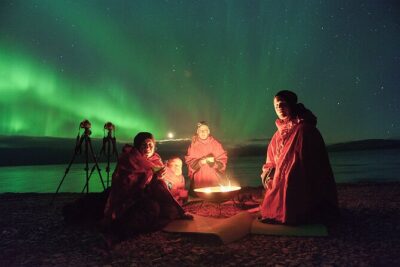
Browse the lists this tour appears in