
Reviewed · SAFARI
Sälen: Evening Moose Safari in the Forests
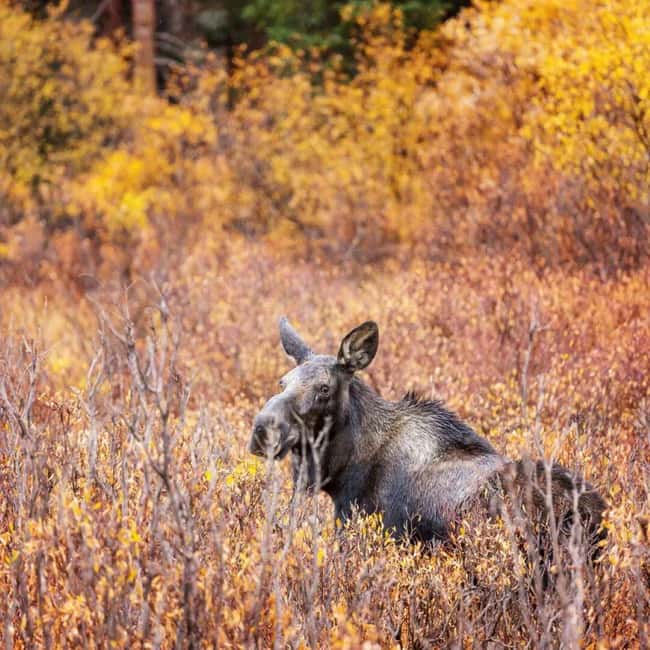
What makes this evening moose safari in Sälen interesting is the way it teaches you to read the forest in real time, especially around dusk. You are not just hoping for a glimpse, you are moving through moose country and checking signs on the ground.
I love how the guide turns moose behavior into something you can actually spot, from feeding signs to where moose like to travel. I also like that you get support without hauling gear, because binoculars and other equipment are available to borrow.
The main drawback to consider is simple: moose sightings depend on conditions and timing. This is a track-and-sign hunt first, so plan to enjoy the learning and the search even if the moose are shy.
Key points to know before you go
- Evening timing at dusk gives you a better shot, since moose are most active then
- Minibus + multiple forest stops means you cover more ground without feeling rushed
- Moose towers and behavior lessons help you understand what you are seeing
- Binoculars loaned on site make it easier to focus without bringing your own
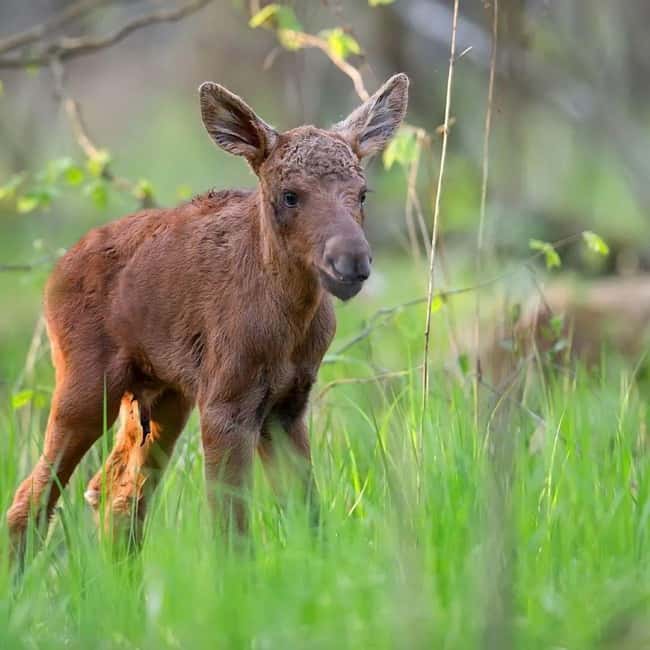
- Small group of just 8 people keeps the questions coming and the pace human
Why Sälen’s dusk timing makes this safari feel like real wildlife watching
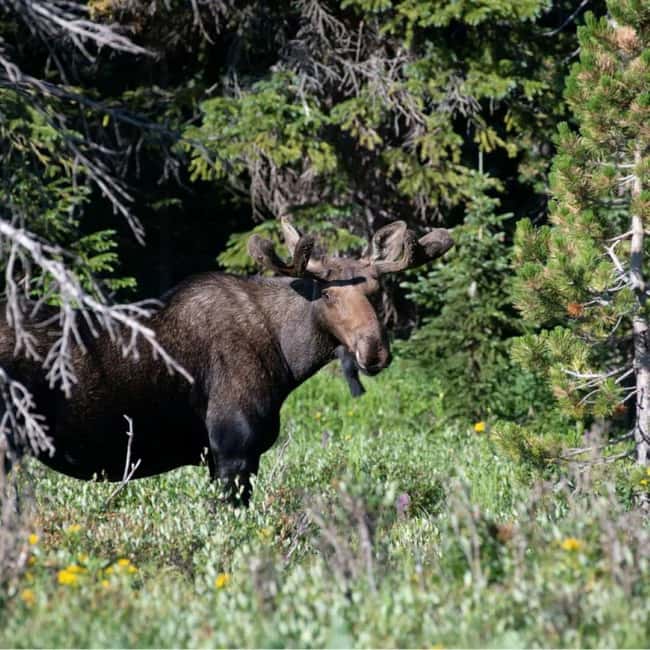
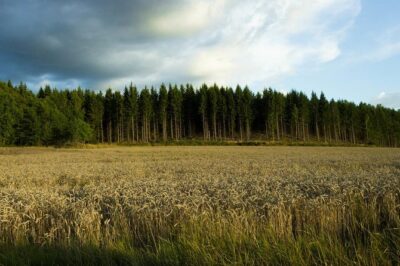
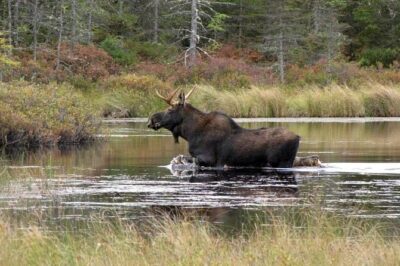
Sälen sits in Dalarna County, where forests, waterways, and wet ground create the kind of habitat moose love. The tour leans into that reality with an evening start, because moose are most active at dawn and dusk. That matters for you because moose can be invisible for long stretches, and when they do move, it is often around low light.
What I like about the timing is that it changes how you pay attention. In daylight, you might only notice big shapes. At dusk, you notice movement patterns, the direction of sound, and the places that feel “right,” like clearings and the edges of water. That is exactly the mindset this safari builds.
You will also learn a practical truth up front: moose sightings are best in spring, summer, and early fall. If your dates fall in those seasons, your odds go up. If not, you can still have a strong experience, but expect more sign-finding than guaranteed sightings.
Other moose-spotting evenings:
- From Stockholm: Moose & Wildlife Safari with Campfire Dinner
★ 4.6 · 437 reviews - Moose Spotting Tour from Kiruna to Nikkaluokta
★ 4.9 · 12 reviews
The 150-minute flow: minibus searching, then quiet stops to look closer
This is a short, focused safari, about 150 minutes total. The format is built for results. You ride by minibus through moose-rich areas, then step out at several points to search.
Here is how that feels on the ground, in plain terms. The minibus gets you away from crowds and into the right general area. Then you slow down at each stop, glass the surroundings, and check for evidence. Moose do not always show themselves, but they leave plenty behind: tracks, feeding marks, and droppings.
Because the group is capped at 8 participants, you are not constantly watching the person in front of you. It also makes it easier for the guide to adjust the pace, based on what you are seeing. If someone spots something first, you can actually react, not just wait your turn.
Forest stops that teach you how to read tracks, feeding signs, and droppings
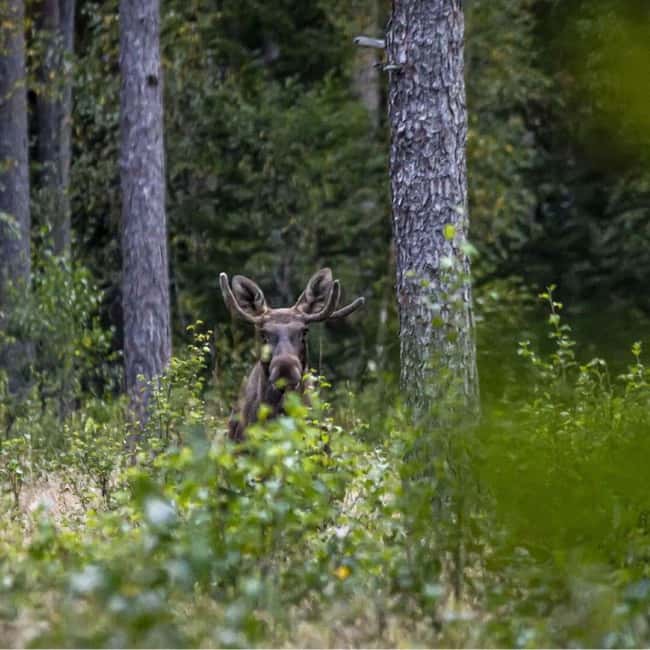
The heart of this experience is the repeated practice of looking for moose signs. You make several stops to search for moose tracks and fresh signs, including feeding and droppings. This is not a “point and hope” style tour. The guide helps you connect what you see to what moose are doing.
Why that matters: moose tracks and signs are like a map. When you learn the pattern of where moose move, you stop treating the forest as random scenery and start treating it as a living system. You begin to understand why moose might be close to marshes, forest edges, clearings, or waterways.
The guide also helps you interpret movement patterns, so you know what to look for next. In practice, that turns your evening into a mini field course. You end up feeling more confident on your next walk outside, even after the safari ends.
And yes, this can lead to seeing moose up close in the wild, always with respect for the animals and distance-based viewing. When moose do show up, it feels earned, because you already learned what “moose territory” looks like at ground level.
Moose towers: where the guide turns the night into a story you can follow
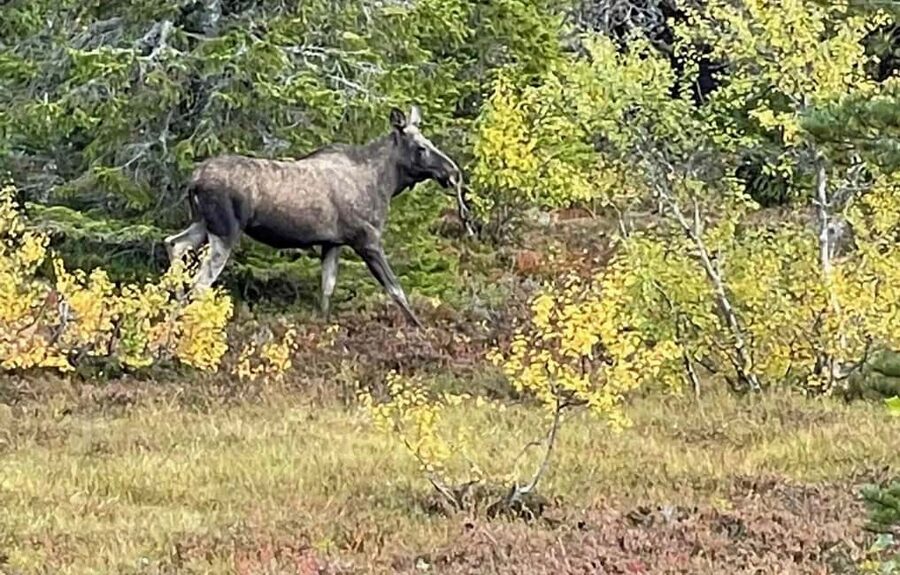
One of the most memorable parts is the stop for moose towers. This is where you pause and learn more about how moose move and live.
A moose tower helps because it puts you in the right mental position. Instead of only scanning the forest from the roadside, you start thinking about pathways, bedding areas, and travel corridors. Moose movement patterns make more sense when you can mentally link them to terrain and cover.
From what you will learn, you get a clearer picture of moose ecology and habits: where they feed, how they move through habitat, and why certain areas are more likely to produce signs. If you have ever seen moose in documentaries and wondered how they can disappear so fast, this kind of explanation gives you a reason.
What else you might see in Dalarna besides moose
Even though moose are the star, Dalarna can deliver extras. Along the way, you might also spot deer, red deer, and other wildlife such as wolves, bears, and foxes.
Real talk: you should not plan your evening around those additional species. But it is great to know they are part of the possible mix. When you are scanning carefully for moose tracks and fresh signs, your eyes naturally start noticing other animals too.
This is also why the safari style works. If moose are not visible right away, you are still actively looking. You are ready for surprises, because you are already in “wildlife mode,” not passive sightseeing mode.
The guide experience: questions welcome, and the route matters
The guide is a big part of the value here. You get a live tour guide who speaks English and Swedish, and the vibe is interactive. Several people highlighted that the guide was open to questions and answered them well, including questions about moose behavior and how to interpret signs.
I also like that the experience starts with curiosity. At the beginning, you are asked about your expectations and what you want to get out of the trip. That small moment pays off because the guide can steer the explanations toward your interests, whether you want science, practical track reading, or just the best places to look.
The “longer route” feel also shows up in the feedback people left. A good safari should not just circle near a single spot. Here, you move through multiple moose-rich areas, and that increases your chances while keeping the evening from feeling repetitive.
One other detail worth noting: water is available during the tour, and some groups are offered sandwiches for those who want them. It is not framed as a full meal experience, but it helps keep you comfortable during an active evening outdoors.
What to bring (and what to borrow) so you can actually see
You do not need to overpack, but you do need to be prepared. Bring a camera if you like wildlife photos, and wear weather-appropriate clothing for forests in the evening.
Even if you bring your own binoculars, you can also borrow them on site. The loan equipment is there for a reason: focusing on a distant animal or interpreting a sign in low light is much easier with magnification.
Practical advice that makes a difference:
- Dress in layers. Evening can feel colder fast.
- Keep pockets simple for gloves and warm hand gear.
- Use the moments during stops to look calmly. Rushing your scanning usually means missing small tells.
You will also benefit from knowing where moose are likely to be. The best chances are near marshes, clearings, forest edges, and waterways. The guide will lead you, but having those mental anchors helps you feel more in control.
Moose safari etiquette: how to be respectful and still have fun
This safari includes an explicit code of conduct. You are not allowed to litter, feed animals, or touch plants. That is the right kind of ruleset for wildlife watching, and it protects both you and the animals.
Feeding animals is a big one. It changes behavior, and it can make moose less cautious in ways that are not good for them or for people. Touching plants also matters because forest edges and wetland areas are part of the moose ecosystem, not a decorative set.
The guide keeps everything respectful, and you should follow instructions about where to stand and when to observe. If you do, you increase your chances of seeing moose calmly, without unnecessary disruption.
Price and value: is $127 per person worth a 150-minute evening?
At $127 per person, this is not a bargain-bin activity. But it is also not just a casual walk. You are paying for several things that add up quickly in real life: a small guided group, a guide who teaches you to read moose signs, a minibus ride into moose-rich areas, and the time spent making multiple stops.
You also get equipment support by borrowing binoculars and other gear. If you tried to replicate this yourself, you would need local knowledge of where to look, plus the right tools to spot tracks and droppings. Even if you could find a similar spot, it would be hard to identify what you are actually seeing without guidance.
Where the value really lands is in the learning. People consistently praised the guide’s effort, the explanations, and how much they learned about moose behavior and what those signs mean. If you enjoy nature education, field observation, or wildlife photography, that adds real value beyond the thrill of spotting animals.
If your main goal is guaranteed moose sightings, manage expectations. You are going for a strong chance, not a guaranteed animal encounter. Still, you will walk away with useful skills.
Best timing: seasons that boost your odds
You will have the best chances to see moose in spring, summer, and early fall. That lines up with the safari style because moose are active at dawn and dusk, and the habitat patterns are easiest to read when the season supports typical movement.
If your trip dates land outside those seasons, you can still enjoy the evening searching and the educational parts. But you should be prepared for the possibility that you spend more time looking at signs than watching moose directly.
Who this Sälen evening moose safari is perfect for
This is a good fit if you:
- Want more than a drive-by wildlife stop, and you like learning how to interpret nature
- Enjoy evening outdoor time and are comfortable standing outdoors in changing light
- Prefer small-group experiences where questions actually get answered
- Travel as a couple, family, or solo person who enjoys a guide-led rhythm
It is also family-friendly by design. The tour includes education, multiple stops, and equipment support so people can participate even without prior wildlife experience.
Should you book the Sälen evening moose safari?
Book it if you want a real wildlife experience that teaches you how to look. The mix of track-and-sign searching, moose tower learning, and small-group attention is what makes it work. You are not just waiting for a moose to appear, you are actively learning the forest.
Skip it only if you feel uncomfortable with the idea that moose sightings are not guaranteed and you want a 100 percent “see an animal” outcome. For everyone else, this is a satisfying, practical, and genuinely engaging way to spend an evening in Dalarna.
FAQ
Where does the tour start?
The exact meeting point is agreed upon after booking.
How long is the evening safari?
The duration is 150 minutes.
How big is the group?
The tour is a small group, limited to 8 participants.
What language is the guide?
The live tour guide speaks English and Swedish.
What is included in the price?
You get the guided evening tour by minibus through moose-rich areas, multiple stops to search for tracks, examining fresh signs like tracks and droppings, visiting moose towers, and help learning about moose life and behavior. Binoculars and other equipment are available to borrow.
Are food and drinks included?
Food and drinks are not included.
What are the best conditions to see moose?
Moose are most active at dawn and dusk, and the best chances are in spring, summer, and early fall. Look near marshes, clearings, forest edges, and waterways.
More Evening Experiences in Sälen
- Stockholm-Helsinki Mini Cruise: 2-Night Baltic Getaway
★ 4.6 · 288 reviews - Evening Wildlife Safari with Campfire Dinner from Stockholm
★ 4.5 · 155 reviews - Stockholm: Evening Wildlife Safari with Midsummer Meal
★ 4.2 · 130 reviews - Stockholm: Sunset Hike in Tyresta National Park with Meal
★ 4.8 · 126 reviews
Just listed in Sälen
- Sälen: Northern Lights Snowshoe Adventure with Pickup★ 3.9 · 5 reviews
- Sälen: Mini Snowmobile Adventure on Private Track★ 4.8 · 4 reviews
Safari, compared.
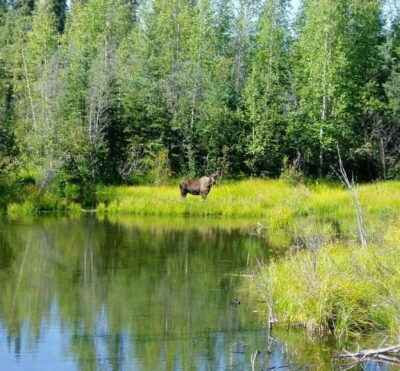
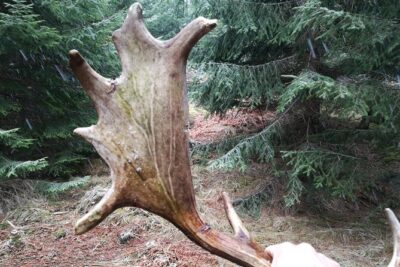
Evening Wildlife Safari with Campfire Dinner from Stockholm
Read our review →
Once-in-a-lifetime Snowmobile Safari to Lapland Viewpoint
Read our review →
Browse the lists this tour appears in