
Reviewed · MUSEUMS
Stockholm: Nobel Prize Museum and Exhibition Entry Ticket
The Nobel Prize Museum is interesting because it turns big, world-shaping ideas into something you can actually see and hear in the heart of Stockholm’s Old Town. I love the mix of real Nobel artefacts with short video and audio storytelling. I also like how the museum focuses on peace efforts and ideas, not just the award paperwork. One drawback to keep in mind: the museum is small, so it can feel crowded if you arrive at a busy time.
I love that your ticket isn’t just a self-guided walk past display cases. It includes a museum tour and access to temporary exhibitions, which helps you prioritize the standout exhibits fast. The only consideration is that if you want a long, deep technical science gallery, you may find some parts more focused on people and impact than step-by-step inventions.
Key takeaways before you go
- Permanent collection with 200+ artefacts tied to Nobel laureates across categories
- Daily guided tours in English and Swedish included with your ticket
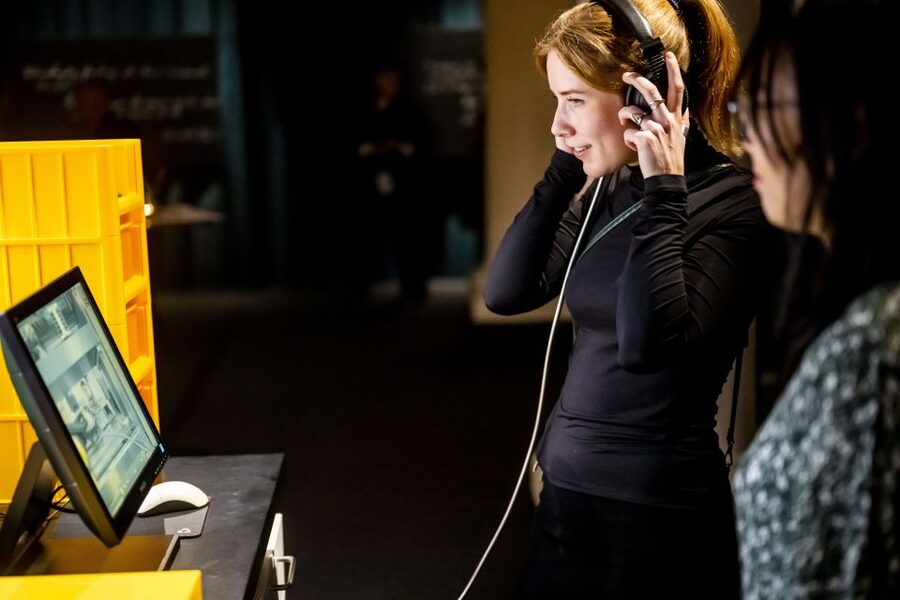
- Audio and video storytelling that makes the laureates feel more human
- Temporary exhibitions included, so your visit can vary by season
- Nobel chocolate medal at the shop, because yes, it is a thing
- Central location at Stortorget in Gamla Stan for an easy stop during a city day
Nobel Prize Museum at Stortorget, Gamla Stan: What Makes It Work
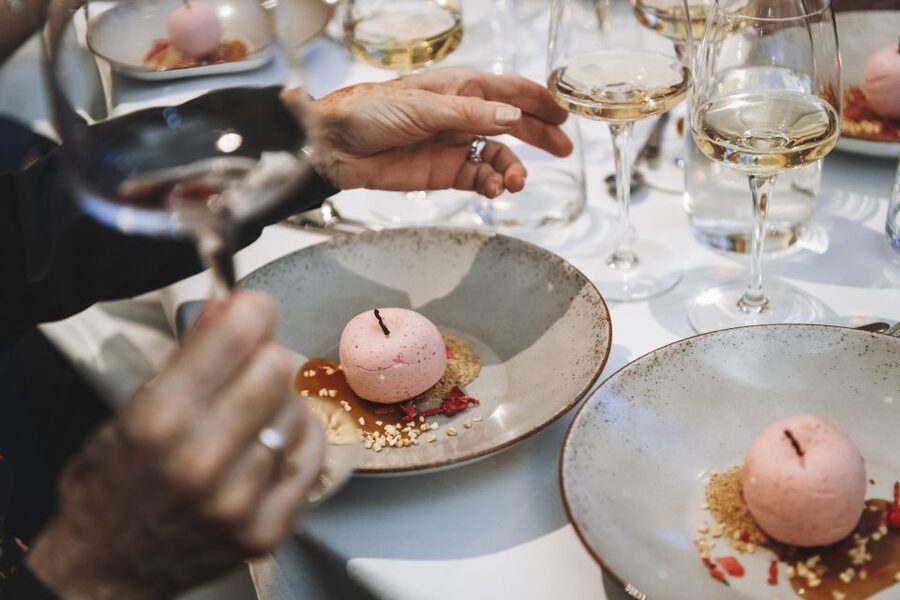
This museum works because it stays close to what most people actually care about when they learn Nobel stories. You do not just read names. You get context for why the Nobel Prizes exist, who Alfred Nobel was, and how the winners tried to push the world toward peace, rights, and shared progress.
The setting helps too. Stortorget is right where you want to be if you are already spending time in Gamla Stan. That means you can treat the Nobel Prize Museum as a clean add-on to a Stockholm Old Town day, not a separate mission.
Other museum days in Stockholm:
- Stockholm: ABBA The Museum Entrance Ticket
★ 4.7 · 11,280 reviews - Stockholm: Skansen Open-Air Museum Admission Ticket
★ 4.5 · 3,427 reviews - Stockholm: Paradox Museum Entry Ticket
★ 4.2 · 3,031 reviews
Your Ticket Value: What $18 Buys in Real Museum Time
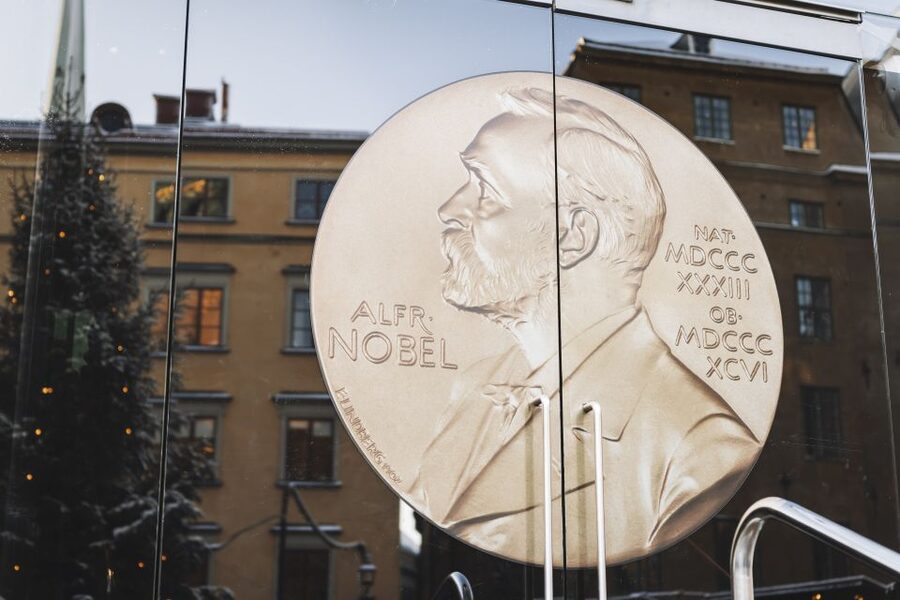
At about $18 per person, the ticket is priced like a focused museum stop, not a huge, all-afternoon institution. You are paying for three things that matter on-site: admission, access to a special exhibition, and a museum tour.
Here is why that is good value for your planning:
- A short tour can help you avoid wandering aimlessly in a small space.
- Temporary exhibitions give you extra reasons to go now, even if you have read about Nobel Prize winners before.
- The multimedia format (video, audio, and artefacts) means you can spend time at your pace without getting bored.
From reviews, people commonly report that it is easy to do in 1 to 2 hours, or closer to 3 hours if you slow down to watch videos and read more of the display descriptions. That flexibility is a quiet win if you are mixing this with other Old Town stops.
Entering the Museum: How to Get the Most From a Small Space
Once you’re inside, the museum’s layout rewards planning. It is not a giant campus, so lines and foot traffic can make the experience feel tight if you go at a peak hour.
Here’s how I would play it:
- Aim to join a guided tour session when you arrive. Reviews specifically recommend signing up for the short tour soon after entering, because it sets you up for what to notice during the rest of your visit.
- If you prefer self-guided time, you can still do it, but you will likely spend longer figuring out which sections to prioritize.
The good news is that the museum experience is designed for either approach. You can move quickly and still get the core stories, or you can pause and let the artefacts and media do their job.
Museum Tour and Guided Sessions in English and Swedish

Your ticket includes a museum tour, and the museum runs daily guided tours in English and Swedish. Practically, that means you should look for the next session when you enter and check with the entrance staff about timing.
This is one of the most praised parts of the experience for a reason. A good guide helps connect the dots between:
- what you’re seeing on the wall,
- what the Nobel Prize was meant to recognize, and
- why a particular laureate’s work mattered beyond their country or their era.
One review highlighted a guide named Ella for strong enthusiasm and detailed explanations. That kind of delivery matters in a museum like this, because the objects can be small, and the meaning comes from interpretation.
If you only do the self-guided route, you still get value, but the tour helps you compress the most important takeaways into less time.
A few more Stockholm outings lined up together
- Stockholm: City Archipelago Sightseeing Cruise with Guide
★ 4.3 · 10,798 reviews - Stockholm: Hop-On Hop-Off Bus or Boat Option
★ 4.0 · 3,260 reviews - Stockholm: Archipelago Boat Tour
★ 4.4 · 3,110 reviews - Stockholm: Highlights Boat Tour
★ 4.2 · 2,845 reviews
Permanent Exhibition: These Things Changed the World and the 200+ Artefacts
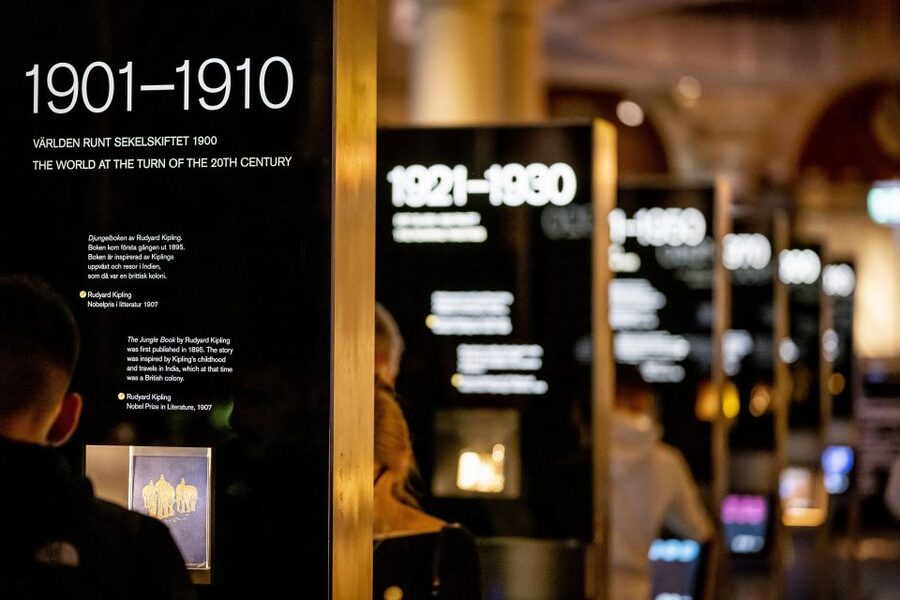
The centerpiece right now is the permanent exhibition called These things changed the world. What’s special is the focus on objects from the museum’s collection. The museum displays a large selection, and it is not shy about scale for a compact building: more than 200 artefacts.
This is the part that turns Nobel Prize history into a physical experience. You see things connected to:
- major inventions and discoveries,
- courageous peace efforts,
- innovative ideas, and
- groundbreaking literature.
A practical way to use this area is to pick a few laureates you care about most before you start. If you go in with zero interest, it can still be fascinating, but you may leave feeling like you saw everything without really spending time on your favorites. With a little intention, the artefact stories land harder.
Also, this exhibition is a reminder that Nobel coverage is not only about science. You get writers and freedom fighters in the mix, and that broad scope is part of what makes the museum feel less like a textbook and more like a lived record of human effort.
Multimedia Exhibits: Video, Audio, and “Small Facts” That Stick
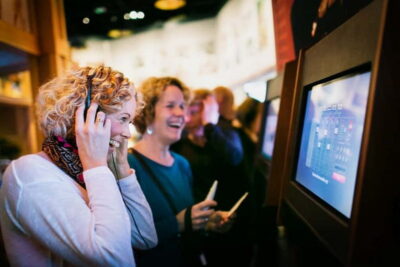
Many people love the museum’s multimedia approach, especially the audio and video components. One review specifically called out the audio stories that accompany exhibits. Another noted that the museum includes documentary-style content and lots of educational material that is accessible.
What that means for you:
- You can learn without constantly reading long paragraphs.
- Your experience does not depend entirely on how quickly you read.
- Even when the museum is busy, the audio helps you keep your attention on what you’re seeing.
I also like that the museum uses media to bring attention to the human side of laureates: their motivations, the stakes of their work, and the ripple effects of their ideas. That is where Nobel stories can feel more relevant than “history from a distance.”
If you like museums that let you choose your pace, this is a good one. You can speed through labels, then stop for the media moments that catch your curiosity.
Temporary Exhibitions Included: How to Prioritize When Time Is Tight

Your ticket includes access to a special exhibition. In a museum this size, temporary exhibits can shift your plan for what to focus on first.
When you walk in, I recommend you check what the special exhibition is and decide your priorities immediately:
- If the temporary show looks centered on the laureates or topics you already care about, start there and use the permanent area afterward.
- If you are curious but unsure, do the permanent exhibition first, then use the temporary exhibit as your “bonus” section.
This way, you do not end up spending too long chasing one part while the rest of the museum feels rushed.
The Museum Shop: The Nobel Chocolate Medal Plus Smart Souvenir Choices
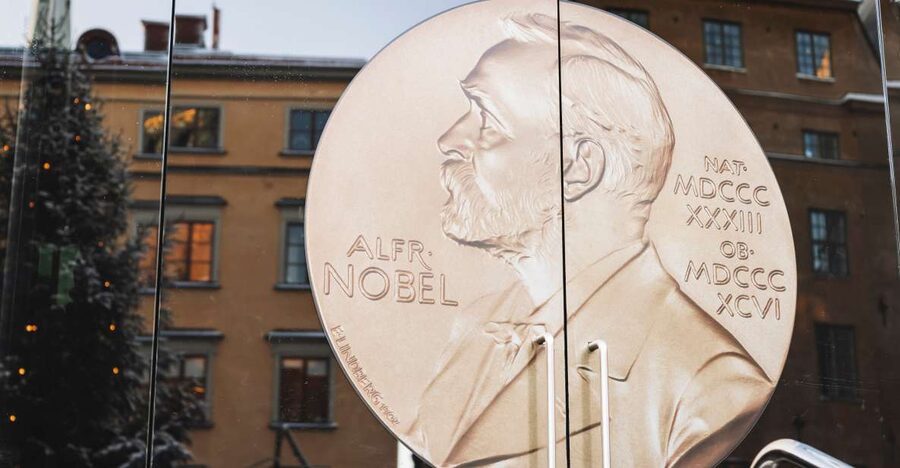
Yes, the shop sells the famous chocolate Nobel Prize medal. If you like edible souvenirs, this is one of the few museums where the “buy it” moment feels fun rather than random. It is a small, tangible way to bring the Nobel theme home.
The shop also offers literature and gifts. Reviews mention that the shop is extensive but selective, which is a polite way of saying you can find something without being overwhelmed by shelves.
My advice: buy the medal near the end of your visit. That way you can decide when you are still excited, but you are not dragging bags around while you are trying to read displays.
Food and Drinks: Bistro Nobel Closures and What to Do Instead

Food is not included in the ticket. The museum also has had restaurant interruptions, so plan smart.
Here is what the information you have suggests:
- Bistro Nobel is scheduled to be closed during the spring for restoration after a previous water damage.
- One review mentioned the restaurant had been closed since July 2024.
- Another review mentioned a cozy cafe and food that felt surprisingly delicious, so there may be some dining options depending on current operations.
So for your day plan: do not treat the museum restaurant as guaranteed. If you want a meal, I would build a backup plan for nearby Old Town options, and treat any on-site cafe as a bonus if it is open.
Accessibility and Who This Museum Fits Best
The Nobel Prize Museum is wheelchair accessible, so you can plan a visit without special accommodations in mind.
In terms of who this fits best:
- Families with older kids and teens often enjoy it because the stories connect to real world issues.
- People who like learning through objects plus media will find it engaging without needing a science degree.
- Anyone with limited time in Stockholm should like it, because it is central and not too hard to fit into a day.
Where it may not fit as well:
- If you expect a massive museum experience with lots of deep scientific technical detail, you might feel the space is too small.
- If you hate crowds, choose a quieter time, because the museum can feel tight and busy.
How Long You Should Plan and the Best Way to Pace Yourself
Based on what people report, here is a realistic pacing guide:
- 1 to 2 hours if you read some labels and watch the main videos.
- Around 3 hours if you stop more often for videos and for extra descriptions of objects.
If you go with a guide, you might absorb key context faster, and then you can return to the permanent exhibition to look at artefacts again with fresh meaning.
If you go self-guided, give yourself enough time to use the audio components. Skipping those is the easiest way to miss what people love most about the museum.
Price Check: Is the Nobel Prize Museum Ticket Worth It for You?
Let’s talk value like a grown-up.
You are paying $18 for:
- entry,
- access to a special exhibition, and
- a guided museum tour.
For many visitors, the ticket hits the sweet spot because it is educational, central, and flexible. The museum is not large, so you are not stuck spending a whole day trying to “get your money’s worth.” Instead, you get a concentrated Nobel overview that can be family friendly and thought-provoking.
The only reason the price might feel off is if you expected a much bigger, more invention-heavy science museum. One critique noted the museum felt small and could use improvements, and another said it was less specific about inventions and more about personal belongings. If that is your main interest, adjust your expectations and focus on categories like peace work, literature, and overall Nobel Prize purpose.
FAQ
FAQ
What is included with the Nobel Prize Museum entry ticket?
Your ticket includes entry, access to a special exhibition, and a museum tour.
Where is the museum located?
The museum is located at Stortorget in Stockholm Old Town (Gamla Stan).
How long is the experience?
It is listed as valid for 1 day.
Are guided tours included, and what languages are offered?
Daily guided tours in English and Swedish are included with your ticket. You should contact the entrance staff for session information.
Are food and drinks included?
No. Food and drinks are not included.
Is there a museum shop and can I buy the Nobel chocolate medal?
Yes. The museum shop sells literature, gifts, souvenirs, and the famous chocolate Nobel Prize medal.
Is the museum wheelchair accessible?
Yes, the experience is wheelchair accessible.
Should You Book This Nobel Prize Museum Ticket?
I think you should book if you want a focused, high-impact museum visit that is easy to fit into a Stockholm Old Town day. The combination of artefacts, audio and video storytelling, and a guided museum tour makes it a strong use of time for your money. If you are traveling with kids or teens, it is also a good fit because the topics connect to real world issues.
Skip or rethink if you expect a huge, deep technical science experience. This museum can feel compact, and the emphasis is more on the people, the prize purpose, and the themes of peace and human progress than on detailed invention mechanics.
If you fall in the middle, you will probably love it. Plan to spend at least an hour, join the guided session if possible, and give the audio and video parts time to do their work.
Just listed in Stockholm
- Stockholm: Old Town by Locals + Exclusive Souvenir Poster★ 5.0 · 4 reviews
- 3 Hours Guided Shopping Tour in Stockholm Thrifting Stores★ 5.0 · 4 reviews
- Icebathing and Sauna in Stockholm nature★ 5.0 · 4 reviews
- Central Stockholm: A Self-Guided Audio Tour in the Modern City★ 5.0 · 4 reviews
- World War II Stockholm Old Town Walking Tour and Army Museum★ 4.6 · 4 reviews
- Stockholm Jogging Tour★ 3.9 · 6 reviews
- Wolf and Wildlife Tracking in Sweden★ 5.0 · 9 reviews
- Stockholm: Hike, Forest Lunch, and Cold-Water Floating★ 4.9 · 8 reviews
Museums, compared.

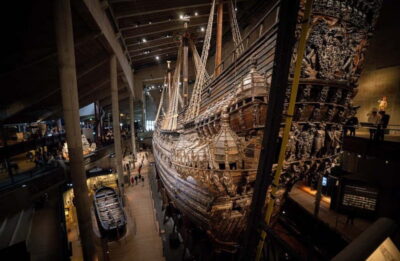
Vasa Museum and Vrak Museum of Wrecks Combo Entry
Read our review →
Skip the Line: Disgusting Food Museum Entrance Ticket
Read our review →Browse the lists this tour appears in