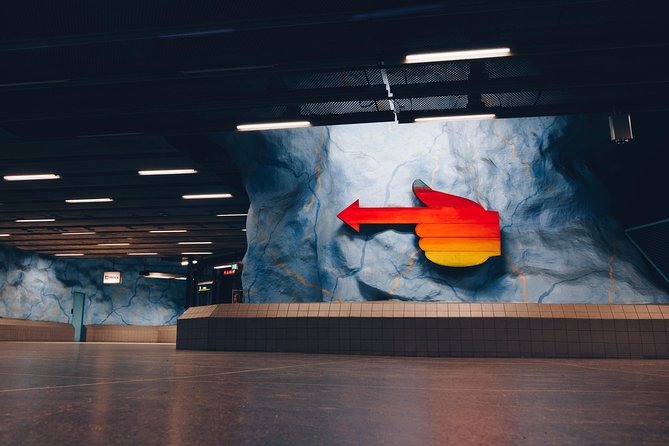
Reviewed · STOCKHOLM TOURS
Stockholm: Underground Metro Art Ride with a Local
Stockholm’s subway is famous, but this tour turns it into something more personal than a quick sightseeing stop. In about 90 minutes you’ll get a guided path through major works, including art by Per Olof Ultvedt, Signe Persson-Melin, and others, plus the kind of behind-the-scenes context that makes you notice details you’d otherwise miss.
I especially like the small group size (up to 8), which keeps the pace human and gives you time to ask questions. I also like that the experience is run by an independent local who can explain what you’re seeing, and names like Dan and Fayez show up in past tours as guides who connect station details to design intent.
One thing to consider: the ride includes walking and there can be steps, so it’s not recommended for guests with impaired mobility. If stairs are a problem for you, plan a different day or skip this one.
Key things you’ll notice on this Stockholm Underground Art Ride
- Up to 8 people means you’re not stuck in a herd at each station
- Subway tickets included, so you’re not constantly paying or figuring out fare rules
- You’ll see works linked to Ultvedt, Persson-Melin, Anders Österlin, Ulrik Samuelson, and Siri Derkert
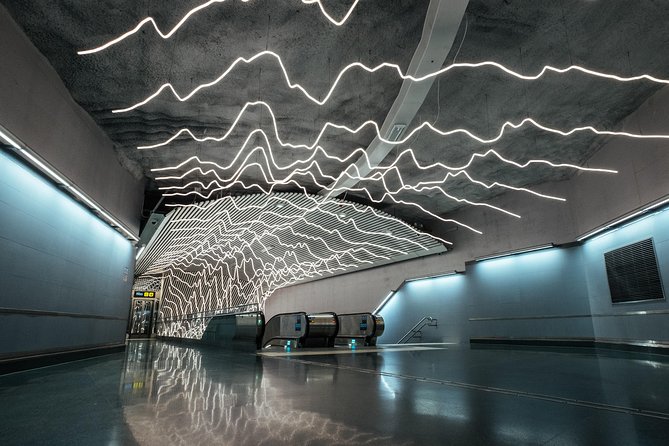
- Expect “wow” moments like an underground garden and surprises tied to the Olympic Games
- The tour covers the four elements, which gives you a handy way to read the stations
- The guide adapts to your pace and interests, so it does not feel like a rigid checklist
Why Stockholm’s Metro Art Tour Is More Than a Photo Stop
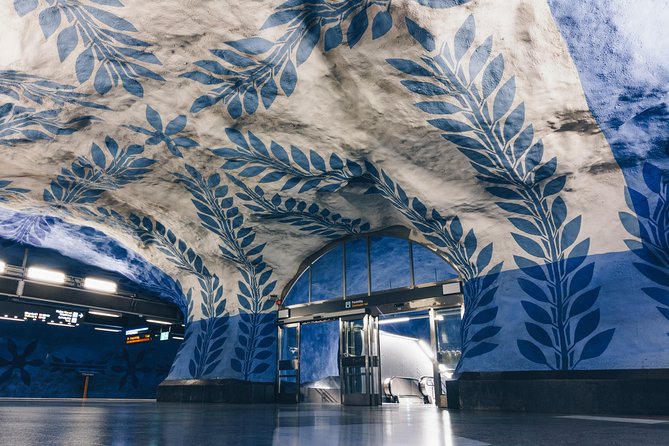
I like Stockholm when it surprises me, and the metro does. This kind of ride works because you’re not just looking at art, you’re moving through the city’s everyday life. You start at T-Centralen and end at Tekniska högskolan, and along the way you’re walking into stations designed to feel like public rooms, not transit boxes.
What makes the experience genuinely interesting is how it teaches you to read the metro. When you know what to look for, you start noticing textures, symbols, and how the layout guides your eyes. The tour also puts you on a route that highlights specific artists and themes, including Siri Derkert and the playful concept of the four elements.
And because it’s hosted in English by a local, you’re not stuck with a museum-style lecture. You get practical, on-the-spot explanations that help you understand why the art exists in a place you might otherwise treat as purely functional.
A few more Stockholm outings lined up together
- Stockholm: ABBA The Museum Entrance Ticket
★ 4.7 · 11,280 reviews - Stockholm: City Archipelago Sightseeing Cruise with Guide
★ 4.3 · 10,798 reviews - Stockholm: Skansen Open-Air Museum Admission Ticket
★ 4.5 · 3,427 reviews
Price and What You Actually Get for $131.12
At $131.12 per person for about 1 hour 30 minutes, this is not a budget add-on. The value comes from what’s included and how the time is used.
Here’s what you get that matters:
- A knowledgeable local leading a small-group route
- Subway ticket included, so you’re paying for the guided transit as a package
- English hosting
- A focused sequence of art stops tied to major artists and themes
If you’re going to use the metro anyway, the included subway ticket helps offset costs. More importantly, you’re paying for the guide to point out what you’d probably skip on your own. One past highlight was how guides could explain details of each station quickly, which is exactly what you need when you only have a short window.
Possible drawback on value: because it’s a curated-style route, you won’t see every station. If you love art so much that you want long, slow wandering time at each stop, you might want to plan a separate self-guided session after the tour.
From T-Centralen to Tekniska högskolan: How the Logistics Feel
The tour begins at T-Centralen, 111 20 Stockholm, and finishes at Tekniska högskolan, 114 28 Stockholm. It’s a straightforward start and end, which is useful if you like planning around a neighborhood or staying near your hotel.
A few practical notes from the info provided:
- You’ll use a mobile ticket
- It’s near public transportation, which helps if you’re arriving early
- Confirmation is received at booking time
- The tour is designed for a maximum of 8 travelers
You’ll also want to keep in mind that stops may vary depending on weather conditions. Stockholm’s weather can change fast, and the tour is built to adapt rather than forcing the same route no matter what.
One more reality check: this is called an art ride, but it still involves getting in and out of stations and moving around them. One review specifically mentioned that the walk can involve several steps, and it’s not so comfortable for people with knee issues. If you need a mobility aid, a stick can help, but the tour is still not recommended for guests with impaired mobility.
The Artist Lineup You’ll Be Looking For (And Why It Matters)
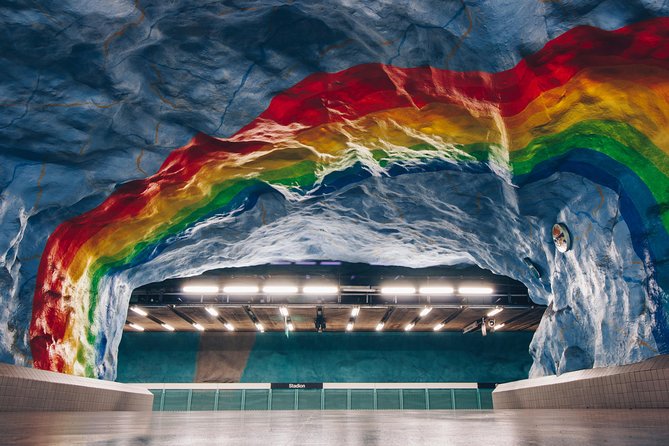
Instead of throwing a list of station names at you, this tour uses artists and themes as your map. That’s the smart way to do it. Otherwise, you end up walking through multiple stops and forgetting what you saw at which one.
You’ll be introduced to works tied to:
- Per Olof Ultvedt
- Signe Persson-Melin
- Anders Österlin
These names matter because they give you a way to notice differences in style and intent. You’re not just seeing “pretty metro art.” You’re learning that each artist approach shows up in how shapes, figures, and patterns are placed to work with the station space.
Even if you’re not an art expert, you’ll come away with a clearer sense of what makes Stockholm’s metro a cultural project, not just decoration. And because the guide’s pace is kept tight, you get a structured route rather than random wandering.
Same city, a different half-day:
- Stockholm: Hop-On Hop-Off Bus or Boat Option
★ 4.0 · 3,260 reviews - Stockholm: Archipelago Boat Tour
★ 4.4 · 3,110 reviews - Stockholm: Paradox Museum Entry Ticket
★ 4.2 · 3,031 reviews - Stockholm: Highlights Boat Tour
★ 4.2 · 2,845 reviews
Ultvedt, Persson-Melin, and Österlin: Learning to Spot What You’d Miss
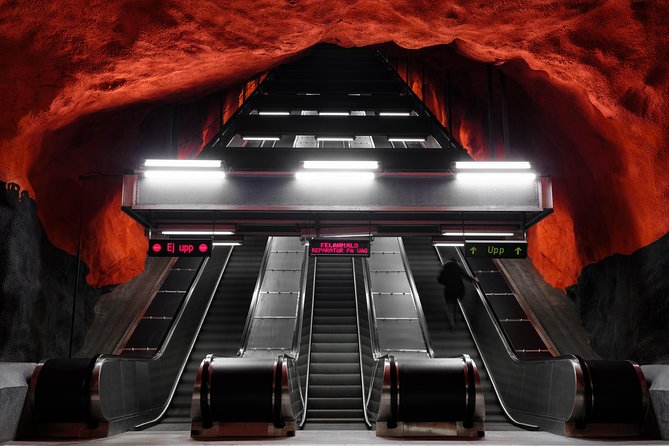
At the first main stop, you focus on unique works associated with Per Olof Ultvedt, Signe Persson-Melin, and Anders Österlin. This is where the tour starts doing its real job: training your eye.
What I’d expect you to enjoy here:
- Looking at how figures and forms are used to make the station feel like a place to pause
- Learning the meaning behind details, not just the fact that they exist
- Getting a quick framework so the next stations make more sense
A big theme across the experience is that the guide doesn’t just point. They explain what each station is trying to communicate and how the artwork interacts with the architecture. Past feedback specifically praised guides for being able to show several stations in a short time while still pointing out details you’d miss if you were rushing.
A small caution based on the same feedback set: in one case, a guest felt the guide did not have enough answers about the art. That doesn’t mean it’s typical, but it’s worth knowing this kind of tour depends on the person leading your day.
Ulrik Samuelson’s Underground Garden: A Different Kind of Metro Moment
One of the most memorable parts of the route is the underground garden by Ulrik Samuelson. This is the station moment that tends to reset your expectations of what a subway can feel like.
A garden underground is not just a fun concept. It changes your senses. Instead of thinking about transit, you start looking for elements like organic shapes, softness in the design, and how the space makes you feel like you’ve entered a hidden room.
Why this stop works for you:
- You’ll have a clear contrast to other stations that feel more graphic or monumental
- It gives you a “pause and look” spot where the art invites closer attention
- It’s the kind of scene you can enjoy even if you’re not traveling with an art degree
If you like taking photos, this is often where you’ll want to slow down just slightly, because the visual cues are strong and the atmosphere feels different from typical station murals.
Siri Derkert and the Olympic Homage: Art With a Story You Can Follow
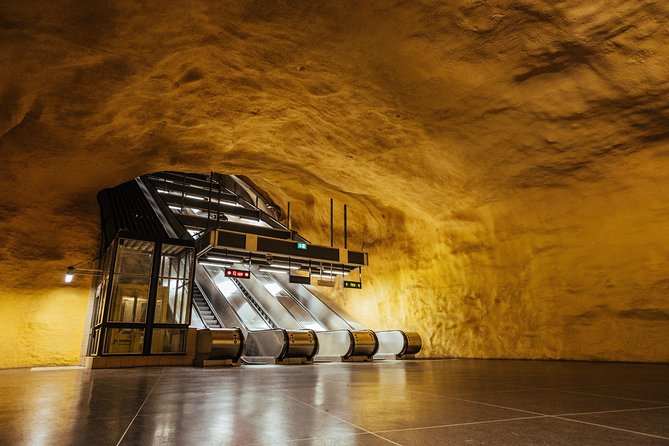
Another key stop focuses on Siri Derkert, Sweden’s famous artist. This part of the tour is valuable because the guide helps you connect the station artwork to a wider understanding of who Derkert was and what her work is known for.
Then you move to an area described as a homage to the Olympic Games. That theme is surprisingly effective. Sports and symbols give you something concrete to hold onto, which makes it easier to interpret the artwork without getting lost in technique.
What I like about pairing these:
- Siri Derkert gives you artistic identity and style
- The Olympic homage gives you narrative and symbolism
- Together, you start seeing stations as intentional storytelling, not random decoration
If you’re traveling with kids or friends who think they will hate art tours, these themed stops usually help. They offer an easier entry point than abstract design alone.
The Four Elements: How This Theme Helps You Remember the Whole Trip

The final thematic stop in the route is built around the four elements. This is a clever way to keep everything coherent during a short, 90-minute experience.
When you’re touring multiple stations back to back, your brain can treat them like one long blur. The four elements fix that by giving you categories. Once you have that, you can look at:
- How each artwork or station area might map to an element
- How colors, shapes, and composition shift from one idea to the next
- How the guide connects these choices to what you see in front of you
You end up remembering your ride in pieces. That makes your photos more meaningful too, because you know what each one was trying to say.
Small-Group Pace and the Guide Dynamic (Where the Tour Really Wins)
The biggest strength here is the way the experience is built for interaction. The group is limited to up to 8 travelers, and the itinerary adapts to travelers’ interests and walking pace.
That flexibility matters. If you’re curious and ask follow-up questions, you can usually steer the conversation. If you just want the key points and then move on, the guide can keep things efficient. In other words, it’s not one-size-fits-all.
The guide can also affect your overall impression. Positive feedback highlighted how guides like Dan were able to explain station details and help guests appreciate what went into creating the art. Another praised guide, Fayez, reportedly explained metro history and made using the subway feel easier for the rest of the trip.
On the flip side, you should know there was at least one negative incident in the feedback set involving a no-show. That’s rare, but it’s the kind of risk you accept when you book any host-based walking tour. If that happens to you, follow up quickly with the provider.
Comfort Tips You’ll Be Glad You Consider
This tour is a great fit if you can walk through stations and handle some steps. It’s not recommended for guests with impaired mobility, and one review specifically mentioned the walk can be tough for knee problems.
Here’s how to set yourself up:
- Wear shoes with good grip. Stations can be smooth and crowded.
- Expect some stairs and plan for slower movement if you need it.
- If you use a stick, consider bringing it. One reviewer suggested it could help.
On the brighter side, the tour is set up to allow service animals, and it runs in an area where you can usually find public-transport connections nearby.
Also note: personal expenses are not included. You’ll handle snacks or drinks on your own.
Is This Tour Worth Your Time in Stockholm?
If you want a fast way to understand why the Stockholm metro is an art destination, this is a strong choice. The route gives you a concentrated set of stops tied to known names and themes. And because the guide helps you notice details, you’ll get more out of each station than you would with a casual walk.
This tour is especially good for:
- First-time Stockholm visitors who want to learn the metro efficiently
- Art lovers who want context without a full-day museum commitment
- Travelers who like guided structure but still want a personal pace
- Anyone who enjoys design, architecture, and symbolism in everyday spaces
It’s less ideal if:
- You need a fully accessible route and can’t handle stairs
- You want to spend long minutes inside one station, not move through a curated selection
- You prefer self-guided exploration with no chance of guide variation
Should You Book This Stockholm Underground Art Ride?
Book it if you want the art and the metro skills together. For the price, you’re not just buying entry to stations, you’re buying an English-speaking local who helps you read the artwork quickly and clearly, while you ride the subway from T-Centralen to Tekniska högskolan.
Skip or adjust if your mobility needs are higher than the tour is designed for. This is also a tour of a selection, not a full marathon of every station. If you’re the type who can happily spend two hours photographing one artwork, plan a second self-guided day after the tour.
If you’re on the fence, I’d say this one is best when you’re short on time and want a meaningful introduction to Stockholm’s underground art world, with subway tickets included and a small group keeping things focused.
FAQ
How long is the Stockholm metro art ride?
It runs for about 1 hour 30 minutes.
What does the tour cost and what is included?
The price is $131.12 per person. Subway tickets are included, and you’ll have a knowledgeable local and a small group experience.
What are the start and end points?
It starts at T-Centralen, Stockholm and ends at Tekniska högskolan, Stockholm.
Is the tour offered in English?
Yes, the tour is offered in English.
How many people are in the group?
It’s a small group with a maximum of 8 travelers.
Are there any accessibility limitations?
The tour is not recommended for guests with impaired mobility. It may involve walking and several steps.
Are service animals allowed?
Yes, service animals are allowed.
Can I cancel for a full refund?
Yes. There is free cancellation, and you can cancel up to 24 hours in advance for a full refund.
Are personal expenses included?
No. Personal expenses are not included.
Just listed in Stockholm
- Stockholm: Old Town by Locals + Exclusive Souvenir Poster★ 5.0 · 4 reviews
- 3 Hours Guided Shopping Tour in Stockholm Thrifting Stores★ 5.0 · 4 reviews
- Icebathing and Sauna in Stockholm nature★ 5.0 · 4 reviews
- Central Stockholm: A Self-Guided Audio Tour in the Modern City★ 5.0 · 4 reviews
- World War II Stockholm Old Town Walking Tour and Army Museum★ 4.6 · 4 reviews
- Stockholm Jogging Tour★ 3.9 · 6 reviews
- Stockholm: Hike, Forest Lunch, and Cold-Water Floating★ 4.9 · 8 reviews
- Wolf and Wildlife Tracking in Sweden★ 5.0 · 9 reviews
Stockholm Tours, compared.


City Archipelago Sightseeing Cruise with Guide
Read our review →